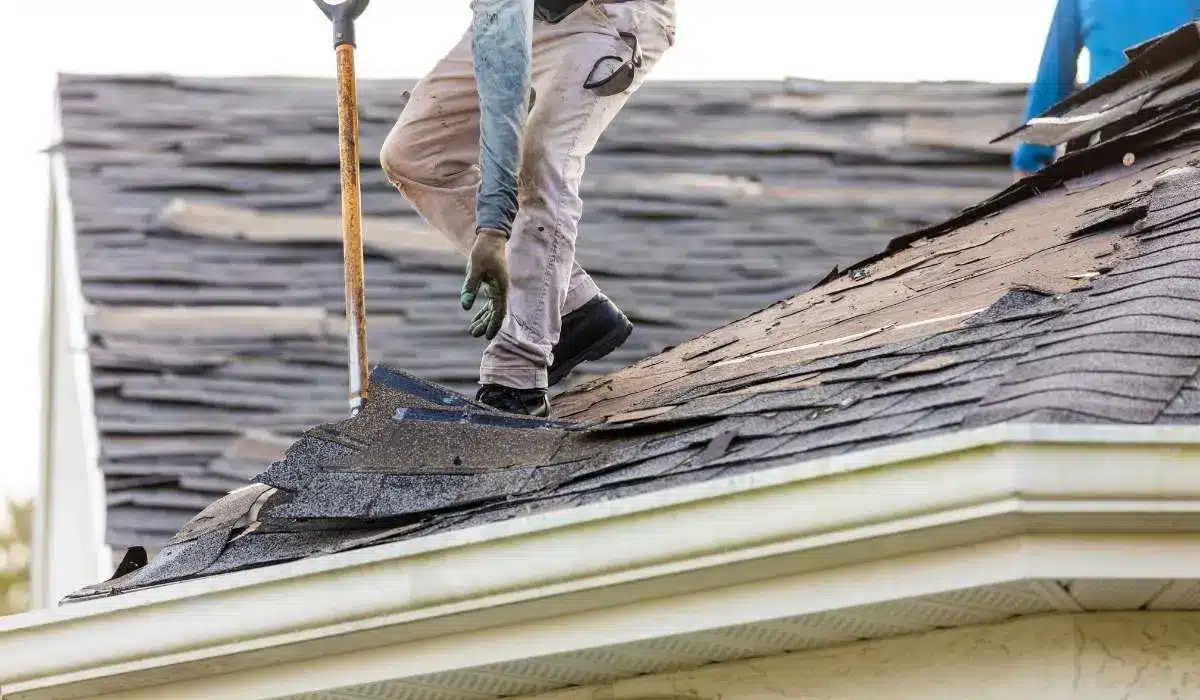
Storms can cause serious damage to commercial roofing systems, leaving business owners with urgent repair needs. High winds, hail, heavy rain, and falling debris can compromise the integrity of a roof, leading to leaks, structural concerns, and costly disruptions to daily operations. When storm damage occurs, choosing the right contractor becomes one of the most important decisions a property owner can make.
The quality of the repairs directly affects the longevity of the roof, the safety of the building, and the overall cost of ownership. Understanding what to look for in a roofing contractor can help ensure that your commercial property receives the professional care it needs after a storm.
Look for Commercial Roofing Experience
Commercial roofing systems are significantly different from residential roofs. They often involve flat or low-slope designs, specialized materials, and unique drainage systems. Because of these complexities, it is important to hire a contractor with extensive commercial roofing experience.
Ask potential contractors about:
- Years of experience in commercial roofing
- Types of commercial roofs they work on
- Previous storm damage repair projects
- Certifications and industry training
A contractor with a strong background in commercial roofing will be better equipped to identify storm-related issues and recommend effective repair solutions.
Verify Licensing and Insurance
Before hiring any roofing contractor, verify that they are properly licensed and insured.
A reputable contractor should carry:
- General liability insurance
- Workers’ compensation insurance
- Appropriate state and local licenses
Insurance protects both the contractor and the property owner if accidents or damage occur during the project. Never hesitate to request proof of coverage and verify that all policies are active and current.
Hiring an uninsured contractor can expose your business to significant financial risk.
Check Their Reputation
A contractor’s reputation can reveal a great deal about the quality of their work and customer service.
Research the company by:
- Reading online reviews
- Checking ratings on reputable review platforms
- Requesting references from previous clients
- Reviewing testimonials
When speaking with past customers, ask about their overall experience, communication, project timelines, and satisfaction with the completed repairs.
Consistently positive feedback is often a strong indicator of reliable service and workmanship.
Ask About Storm Damage Expertise
Not every roofing contractor specializes in storm-related repairs. Storm damage can be complex and may involve hidden issues that are not immediately visible.
Experienced storm damage contractors understand how to identify:
- Wind damage
- Hail damage
- Water intrusion
- Flashing failures
- Structural concerns
Their expertise allows them to create comprehensive repair plans that address both visible and hidden damage.
Request a Thorough Roof Inspection
A professional contractor should begin with a detailed inspection of the entire roofing system.
The inspection should evaluate:
- Roofing membranes or shingles
- Flashing and seals
- Roof penetrations
- Drainage systems
- Structural components
- Interior signs of water intrusion
A comprehensive assessment helps ensure that all storm-related damage is identified and properly documented before repairs begin.
Obtain a Detailed Written Estimate
Transparency is essential when evaluating contractors. Reputable roofing professionals provide detailed written estimates that clearly outline the scope of work.
The estimate should include:
- Materials being used
- Labor costs
- Project timeline
- Warranty information
- Cleanup procedures
- Payment terms
Avoid contractors who provide vague pricing or refuse to put estimates in writing. Detailed proposals make it easier to compare options and understand exactly what services are being provided.
Understand Their Insurance Claim Assistance
Many commercial property owners rely on insurance coverage to help pay for storm-related repairs. Navigating the claims process can be challenging, especially when dealing with extensive damage.
Experienced contractors often assist by:
- Documenting damage
- Providing inspection reports
- Supplying repair estimates
- Communicating with adjusters
While contractors should never promise insurance approval, they can provide valuable support throughout the claims process.
Evaluate Communication and Responsiveness
Storm damage situations often require immediate attention. The contractor’s communication style can significantly impact the overall experience.
Pay attention to:
- Response times
- Professionalism
- Willingness to answer questions
- Clarity of explanations
A contractor who communicates openly and consistently is more likely to keep the project on track and address concerns promptly.
Strong communication is especially important when unexpected issues arise during repairs.
Ask About Warranties
Quality contractors stand behind their work by offering warranties on both materials and workmanship.
Important questions include:
- What warranty coverage is provided?
- How long does the warranty last?
- What is included and excluded?
- How are warranty claims handled?
A strong warranty provides additional peace of mind and demonstrates confidence in the quality of the repair work.
Consider Safety Practices
Commercial roofing projects involve significant safety risks, especially when repairing storm-damaged structures.
Ask contractors about:
- Employee safety training
- Fall protection systems
- OSHA compliance
- Site safety protocols
A contractor committed to safety helps reduce the likelihood of accidents and protects everyone involved in the project.
Safety should always be a top priority during roofing repairs.
Review Their Equipment and Resources
Storm damage often affects multiple properties within a community at the same time. During busy repair seasons, some contractors may become overwhelmed.
Ask whether the company has:
- Adequate staffing
- Proper equipment
- Sufficient materials
- Capacity to complete the project on schedule
Contractors with strong resources are generally better positioned to handle repairs efficiently and minimize delays.
Beware of Storm Chasers
After severe weather events, temporary roofing companies sometimes appear in affected areas looking for quick business opportunities. These contractors are often referred to as “storm chasers.”
Warning signs may include:
- High-pressure sales tactics
- Requests for large upfront payments
- Lack of local references
- No permanent business address
- Extremely low bids
Working with established local contractors helps reduce the risk of poor workmanship and warranty issues.
Compare Multiple Contractors
Even if one contractor seems promising, it is wise to obtain multiple estimates before making a decision.
Comparing contractors allows you to evaluate:
- Pricing
- Experience
- Services offered
- Warranty coverage
- Project timelines
The goal is not necessarily to choose the lowest price but to select the contractor who provides the best overall value and expertise.
Focus on Long-Term Results
Storm damage repairs should do more than address immediate concerns. The best contractors focus on restoring the roof’s long-term performance and durability.
Quality repairs help:
- Prevent future leaks
- Improve weather resistance
- Extend roof lifespan
- Protect building assets
- Reduce maintenance costs
Investing in professional repairs today can help avoid costly problems in the future.
Conclusion
Choosing the right contractor for storm damage repairs is critical to protecting your commercial property and minimizing long-term costs. By evaluating experience, licensing, reputation, communication, safety practices, and warranty coverage, business owners can make informed decisions and avoid common pitfalls.
When seeking Commercial Storm Damage Roof Repair in Grand Rapids, MI, partnering with a qualified and trustworthy contractor helps ensure that repairs are completed correctly, efficiently, and in compliance with industry standards. Taking the time to choose the right professional today can safeguard your investment and keep your business protected for years to come.
Also Read