Key Takeaways
- Upgrading your electrical panel prevents overloads and enables the use of modern appliances.
- Installing Ground Fault Circuit Interrupters (GFCIs) greatly reduces the risk of shock.
- Whole-house surge protection shields electronics from damaging voltage spikes.
- Modernizing older wiring increases safety and boosts energy efficiency.
- Smart home technology enhances convenience and energy management capabilities.
Table of Contents
- Introduction
- Electrical Panel Upgrade
- GFCIs Installation
- Whole-House Surge Protection
- Rewiring Old Homes
- Smart Home Integrations
- LED Lighting Upgrades
- Arc Fault Circuit Interrupters (AFCIs)
- Regular Electrical Inspections
In today’s technology-driven world, having an up-to-date electrical system is a necessity for every homeowner. Modern households depend on an electrical infrastructure that can safely and efficiently support smart devices, appliances, and increased energy needs. Whether you are renovating or just ensuring everything functions properly, consulting a residential electrician is crucial to creating a safer environment for your family. Ensuring that your home’s electrical system is up to date can also improve convenience and reduce your overall energy costs.
Upgrading an older or inadequate electrical system goes beyond just meeting daily demands. It helps prevent dangerous situations such as electrical fires, overloads, and shock hazards. With homes now filled with computers, smart TVs, kitchen gadgets, and other electronics, the need for reliable electrical service is greater than ever. A proactive approach to electrical upgrades not only protects your family but also preserves your investment by avoiding unnecessary damage to expensive equipment.
With an increasing number of high-powered devices in use, proper electrical work ensures efficiency and peace of mind. By prioritizing planned upgrades, you address potential hazards before they can escalate into costly emergencies. Homeowners who overlook older systems place both occupants and property at risk, a risk that can be avoided with timely electrical improvements.
Another important consideration in keeping your house safe and efficient is the condition of your electrical wiring. Faulty or outdated wiring is one of the chief causes of house fires and should be regularly inspected and updated by professionals.
Electrical Panel Upgrade
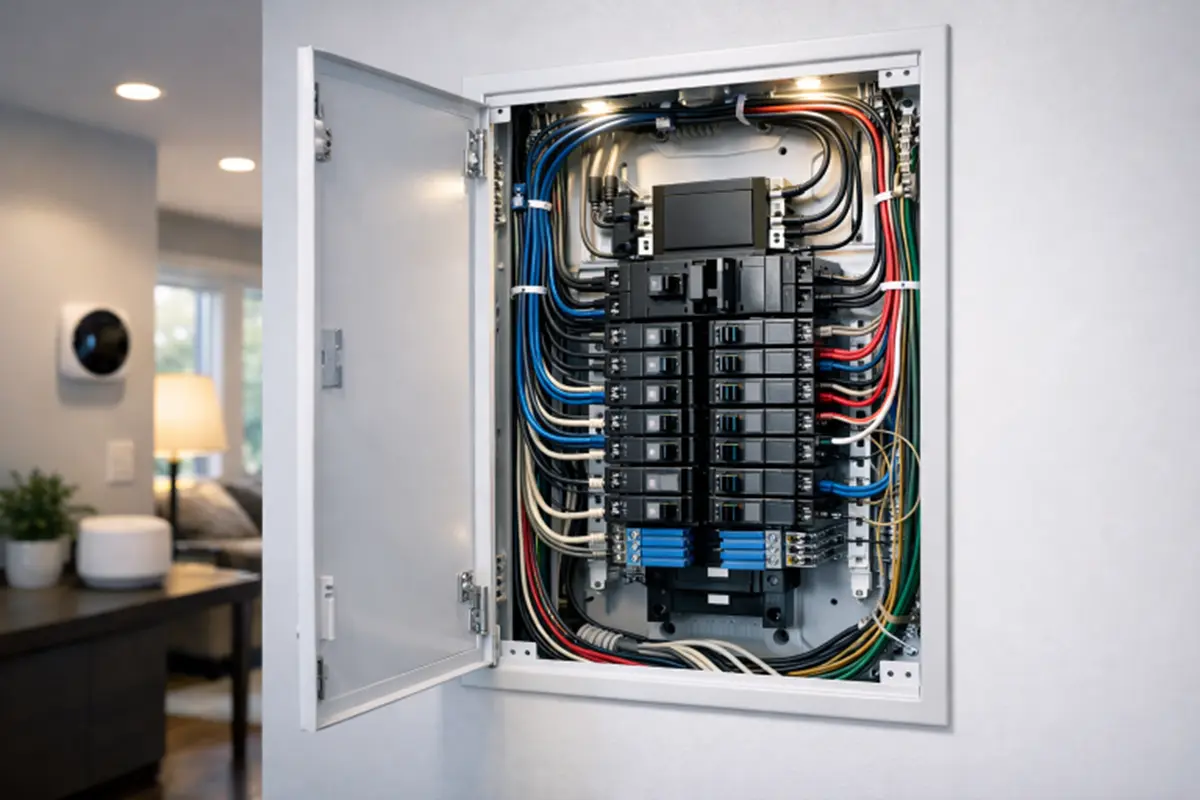
The electrical panel acts as the hub for distributing power throughout your home. Many older homes have panels that simply aren’t built to handle today’s increased power demands from modern appliances, HVAC systems, and entertainment devices. Upgrading to a 200-amp service allows you to add high-demand appliances and is essential if you intend to remodel, install air conditioning, or add dedicated circuits. Like any other part of your home, panels age and should be replaced to maintain both safety and optimal performance. A newer panel also reduces the risk of overheating or fire due to overloaded circuits or deteriorating breakers.
GFCIs Installation
Electrical safety is a top priority, particularly in areas near water, such as bathrooms, kitchens, garages, and outdoor spaces. Ground Fault Circuit Interrupters (GFCIs) are designed to immediately disconnect the circuit if a ground fault or leakage is detected, which greatly diminishes the risk of electric shock. According to the National Fire Protection Association, GFCIs can help prevent hundreds of deaths and thousands of injuries every year. Homeowners should ensure GFCIs are installed wherever protection from water-induced shorts or shocks is needed.
Whole-House Surge Protection
Surges in electrical power can come from lightning, utility grid switching, or internal sources such as turning on large appliances. These voltage spikes can cause serious and sometimes permanent damage to your computers, televisions, and kitchen equipment. Whole-house surge protectors are installed at your electrical panel and act as the first line of defense, diverting excess electricity safely to ground. Investing in this added protection not only secures valuable electronics but also reduces the risk of partial or complete circuit failure stemming from power surges.
Rewiring Old Homes
Many homes built before the 1990s have outdated or insufficient wiring that doesn’t comply with current codes or support modern appliances. Such wiring, including knob-and-tube or aluminum wire, is more prone to wear and overheating, thereby increasing fire risk. Flickering lights, discolored outlets, buzzing noises, and frequent breaker trips are all warning signs that rewiring might be necessary. By rewiring your home, you not only improve safety but also ensure better energy flow and reduce wasted electricity.
Smart Home Integrations
Smart home technology is rapidly transforming the way we interact with household systems. Devices such as smart thermostats, lighting controls, and automated security systems offer more granular energy control and enable homeowners to monitor energy consumption in real time. These upgrades not only increase comfort and usability but also can help cut monthly energy bills through smarter scheduling and occupancy-based automation. Integrating these systems requires compatible wiring and circuit capacity, making electrical upgrades a key step for anyone interested in home automation.
LED Lighting Upgrades
Switching from traditional incandescent bulbs to LED lighting is one of the simplest and most cost-effective upgrades. LEDs use up to 75 percent less energy and last up to 25 times longer than incandescent bulbs, making them an environmentally friendly choice and helping reduce utility bills. They also produce less heat, lowering the risk of fire and decreasing the strain on cooling systems during warmer months. Widespread LED adoption can significantly cut your household’s energy use over time.
Arc Fault Circuit Interrupters (AFCIs)
Arc faults, which occur when current jumps across gaps in damaged wires, are a leading cause of electrical fires. Arc Fault Circuit Interrupters (AFCIs) detect the unique signatures of these faults and shut circuits down before overheating can start a fire. While GFCIs protect against electric shock, AFCIs are designed to prevent fire hazards. Newer codes require AFCIs in living spaces like bedrooms, living rooms, and hallways, adding a vital level of safety to your electrical system.
Regular Electrical Inspections
Routine electrical inspections play a critical role in identifying lurking hazards and ensuring everything operates safely and efficiently. A thorough inspection by a licensed electrician can catch aging components, unsafe wiring, or overloaded circuits before they become dangerous. Regular checks also ensure compliance with current safety codes and insurance requirements, giving you peace of mind that your home’s electrical system is in top condition.
By prioritizing these electrical upgrades, homeowners can protect their investment, improve energy efficiency, and, most importantly, keep their loved ones safe from preventable hazards.
Also Read
- Future Trends in Emergency Vehicle Technology
- The Role of Lifestyle Changes in Managing Chronic Pain
- Empathy in Leadership: A Path to Successful Business