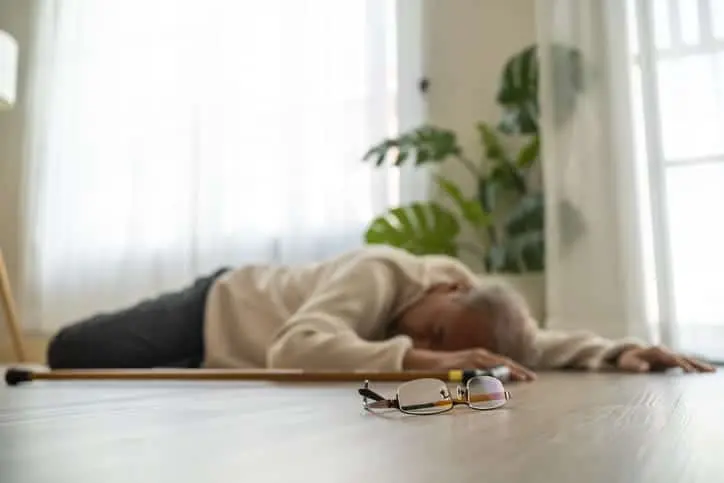
You walk into a store or office and trust the floor is safe. Then you slip. Your body hits the ground. Pain floods in. Staff rush over, but no one explains your rights. Property owners know a quiet injured person costs less than an informed one. They count on your shock. They hope you blame yourself. They pressure you to “just sign” forms. They hide video. They fix hazards fast and claim the danger never existed. You may feel guilt or shame. You may fear making trouble. That is what they want. You have rights when unsafe floors, poor lighting, or hidden hazards cause harm. A slip and fall lawyer can help you see what owners try to hide. This guide shows what to do, what to ask, and how to protect your health, your income, and your voice.
Seek Legal Help
Timbs Injury Law
5 Lakeland Circle
Jackson, MS 39216
Common hazards that cause falls
Most slips and falls do not come from clumsiness. They come from choices. Owners choose to ignore hazards. Staff rush work and skip checks. You pay the price.
Watch for three common dangers.
- Wet or greasy floors from mopping, leaks, or spills without warning signs
- Uneven walking surfaces like loose tiles, torn carpets, or cracked sidewalks
- Poor lighting in stairs, parking lots, and hallways that hides dangers
The Centers for Disease Control and Prevention explains that millions of people seek emergency care each year after a fall. You can read more fall facts from CDC.
What owners fear you will discover
Property owners carry insurance for injuries. They know many falls are preventable. They also know that clear records hurt their defense.
Most owners hope you never learn that they often
- Receive complaints about the same hazard again and again
- Skip regular inspections to save time and money
- Train staff to give short answers and avoid written reports
Owners fear paper trails. Photos, reports, and video show a story of neglect. Your job is to save that story before it disappears.
How fast actions can protect you
After a fall you may feel confused. You may want to leave. That is common. Yet the minutes after a fall matter. They shape what happens with your health and your claim.
Focus on three steps.
- Get medical care. Even if you feel “fine,” see a doctor the same day if possible. Some injuries appear hours later. Early care protects your body and your record.
- Report the fall. Tell a manager on duty. Ask to create a written report. Request a copy before you leave if you can.
- Save proof. Take clear photos of the floor, lighting, shoes, and any warning signs or the lack of signs. Ask for names and contact details of witnesses.
If staff refuse a report or become angry, stay calm. State that you fell, that you are hurt, and that you want the event recorded. Then write down what they say.
What you should never sign on the spot
After a fall you may see clipboards. Staff may offer forms that look harmless. Some owners use these to limit what you can claim later.
Use this guide.
| Type of paper | Common purpose | Safe response |
|---|---|---|
| Incident report you fill out | Basic facts about when and where you fell | Give short facts. Keep opinions out. Ask for a copy. |
| Statement prepared by staff | Locks you into their version of events | Do not sign. Say you will review it later. |
| Medical release form | Lets them dig through your full history | Do not sign broad releases. Speak with a legal adviser first. |
| Settlement offer or “voucher” | Buys your claim for a small payment or coupon | Refuse on the spot. Real value needs careful review. |
If you feel pushed, repeat one line. “I will not sign anything today.” Then keep every paper they offer.
How owners and insurers weaken your claim
Property owners and insurers use patterns. The words may change. The goal stays the same. They want to shrink or erase your claim.
Watch for three common tactics.
- Blame you. They may say your shoes, your age, or your inattention caused the fall.
- Downplay your injuries. They may call your pain “minor” or say you had the problem before.
- Delay. They may stop returning calls. They hope you give up as bills grow.
Keep a simple journal. Write down your pain level, missed work, and any limits on daily tasks. Save all bills and receipts. These records answer attempts to dismiss your harm.
Simple comparison of safe and unsafe property habits
You cannot control what owners do. You can learn the signs of a careful property and a risky one.
| Safe property habits | Risky property habits |
|---|---|
| Wet floors marked with clear signs at each entrance | Wet floors with no signs or signs placed far from the hazard |
| Stairs with secure handrails and bright, steady lights | Stairs with flickering lights or missing handrails |
| Walkways checked and cleaned on a set schedule | Spills left for long periods with staff walking past |
| Fast response when customers report hazards | Staff ignore or mock complaints about unsafe spots |
| Incident reports offered without argument | Staff refuse reports or insist “nobody gets hurt here” |
How to protect your health and your future
Falls can change a life in one second. Broken bones, head injuries, and joint damage can lead to surgery and lost income. Children and older adults face higher risks. The National Institute on Aging offers clear fall safety tips.
Protect yourself and your family with three steady steps.
- Seek medical care and follow treatment plans
- Keep records of every visit, test, and cost
- Reach out for legal guidance before speaking with insurers
You deserve safe floors when you shop, work, learn, or visit others. You also deserve straight answers after a fall. When owners hide hazards or twist the story, your knowledge becomes your shield. Your voice can turn a silent injury into a demand for change and fair repair.
Also Read-Discover Seniors’ Maintenance-Free Life with Helpful Support Services