Building a deck provides a valuable outdoor retreat and extends usable living space. The material you choose will define the deck’s durability, its aesthetic appeal, and the level of upkeep it will require in the years ahead. Whether you’re drawn to the timeless allure of natural wood or the low-maintenance promise of synthetics, making a well-informed choice is crucial. For residents looking to preserve their deck’s beauty and function over the long term, reliable deck maintenance Gainesville, VA can help protect your investment and keep your outdoor area flourishing.
Since outdoor decks contend with everything from summer storms to winter frost, selecting the best-fit material is key to maximizing your project’s value. Homeowners must weigh factors such as exposure to moisture, sunlight, and local temperature extremes. A smart choice today ensures a deck that remains safe, attractive, and easy to maintain. Thoughtful planning also alleviates future repair headaches, letting you enjoy your outdoor oasis without unnecessary stress.
Understanding Your Decking Material Options
Today’s homeowners can choose from a wide spectrum of decking materials, each with distinct advantages and tradeoffs:
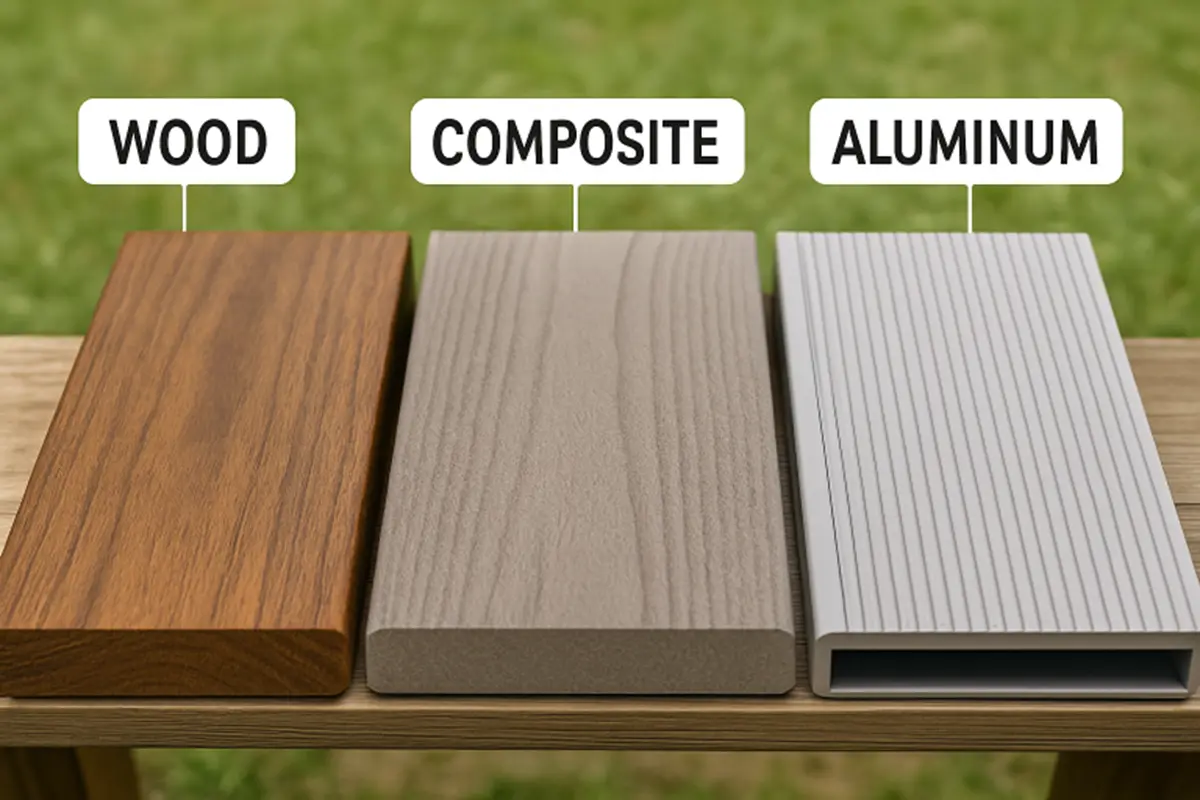
- Pressure-Treated Wood: An accessible, budget-friendly staple, pressure-treated lumber resists insects and decay with regular treatments. However, it can be prone to warping or splitting over time and will require periodic staining and sealing for protection.
- Cedar and Redwood: Prized for their rich hues and natural resistance to moisture and insects, these woods offer a premium look with less chemical treatment. Expect moderate maintenance costs to keep the timber from fading or splintering.
- Composite Decking: Blending wood fibers and recycled plastics, composites offer the authentic texture of wood with reduced maintenance. They resist fading, stains, and mildew, making them a long-lasting and sustainable option.
- PVC Decking: Entirely synthetic, PVC boards are immune to water and insect damage, making them an ideal low-maintenance choice for humid or rainy climates. The look is sleek and modern, though some homeowners prefer the warmth of wood.
- Aluminum Decking: The ultimate in resilience, aluminum is fireproof, rustproof, and virtually maintenance-free. While the investment is higher, it offers unmatched longevity and performance in extreme weather conditions.
Comparing these options based on your lifestyle, design preferences, and climate will help narrow down the possibilities. It’s important to consider not just the initial outlay, but how much care and money you’ll spend through the seasons.
Evaluating Durability and Maintenance Requirements
Maintenance and long-term durability are closely linked when selecting decking materials. Composite and PVC decking lead the way for those seeking minimal upkeep. These materials retain their color, resist warping, and require minimal maintenance, requiring only an annual cleaning. Pressure-treated wood, although initially less expensive, can become costly over time as sealing, staining, and repairs accumulate.
Natural woods, such as cedar and redwood, provide a timeless appeal and impressive resilience against pests. Nevertheless, they still require regular refinishing to prevent weathering and maintain their signature look. If a near-effortless deck is your goal, synthetics will provide the greatest return on investment.
Considering Environmental Factors
Your local environment will strongly influence how your deck materials perform. In regions prone to high humidity, rainfall, or dramatic temperature fluctuations, PVC and composite decking are well-suited to withstand swelling, mildew, and rot. Hot, arid climates may benefit from aluminum’s cool surface and nonporous properties. Conversely, hardwoods excel in areas with stable weather, adding enduring style to traditional landscapes.
Choosing materials engineered to thrive in your location minimizes maintenance needs and helps avoid premature wear, warping, or discoloration. As noted by The Home Depot, the right selection ensures lasting enjoyment and structural integrity.
Balancing Cost and Quality
Budget is more than just the initial cost of decking boards. Consider the lifespan, required maintenance, and the time and money involved in repairs or refinishing. Pressure-treated lumber is economical upfront, but add in years of maintenance and you may end up spending more long term. Premium products, such as composites and PVC, offer higher initial prices but lower lifecycle costs and greater durability.
Each deck serves different priorities: affordability, aesthetics, or ease of care. Assess what matters most to you and weigh it against your budget over the entire lifespan of the deck.
Exploring Eco-Friendly Options
Eco-conscious homeowners are increasingly drawn to decking materials that minimize environmental harm. Composite decking can contain significant amounts of post-consumer recycled plastics and wood fibers, thereby diverting waste from landfills. When selecting lumber, look for woods certified by organizations such as the Forest Stewardship Council (FSC), which ensures responsible harvesting and supports forest conservation.
Choosing recycled or sustainably sourced materials allows you to enjoy your outdoor haven with the assurance that you’ve made a positive environmental choice—without compromising on strength or visual appeal.
Consulting with Professionals
Working with experienced deck builders brings valuable benefits beyond basic construction. Knowledgeable professionals understand which products work best for your climate, how to design for safe outdoor living, and which brands offer the most reliable performance. Consultation also means your deck will comply with local codes and fittingly reflect your desires and lifestyle.
Local specialists can answer questions, recommend suitable materials, and ensure installation meets the highest standards. Their advice can be the difference between a deck that fades quickly and one that becomes a lasting centerpiece of your home.
Final Thoughts
The right decking material is central to creating a durable, attractive, and hassle-free outdoor space. By evaluating factors such as climate, durability, cost, and environmental impact, and by consulting with seasoned professionals, you’ll maximize your enjoyment and investment in your outdoor living area. Make a thoughtful choice and your deck will reward you and your family for years to come.
Also Read-Compassionate Support for a Healthier Mindset