Introduction
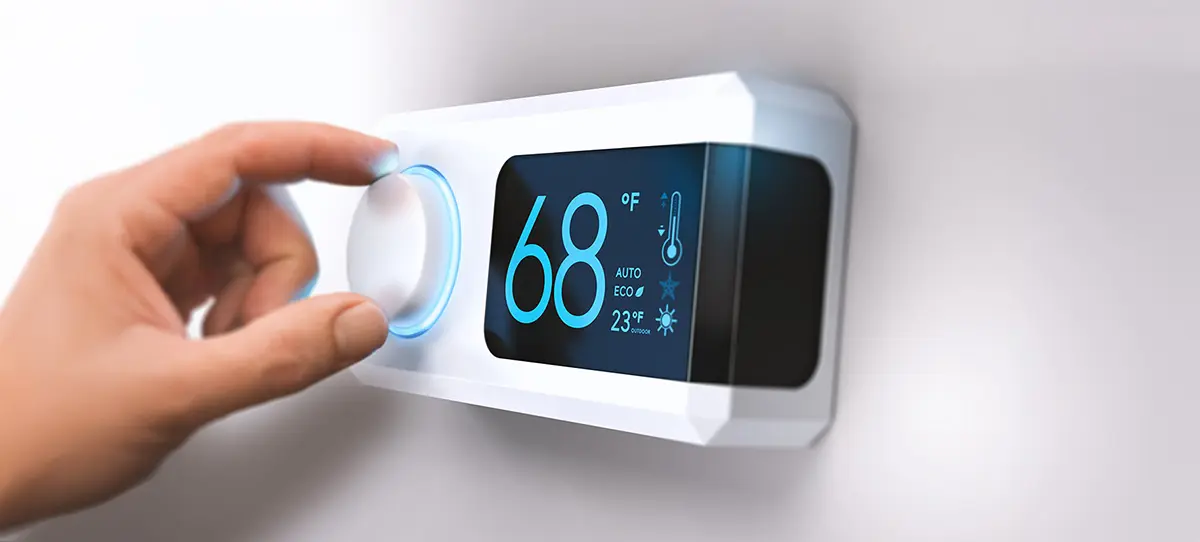
Smart thermostats are rapidly changing the landscape of residential comfort, providing not only convenience but also tangible energy savings for homeowners across the country. Unlike traditional thermostats, smart models feature intelligent features that optimize home cooling, affecting both utility bills and the environment. With the increasing demand for sustainable living, more people are embracing the potential of smart temperature control to enhance their homes’ efficiency.
Several transformative features, including adaptive routines, mobile connectivity, and detailed energy insights, drive this widespread adoption. For those looking to maximize their air conditioning system’s performance, modern solutions such as smart thermostats and quality air conditioning services are becoming must-haves in the quest for efficient, comfortable homes.
Integrating a smart thermostat into your HVAC system is no longer just a tech trend—it’s a practical approach to balancing comfort and energy costs. Many homeowners find the transition seamless, thanks to user-friendly interfaces and compatibility with popular smart home platforms. As energy prices fluctuate and environmental awareness grows, the benefits of smarter cooling strategies are more significant than ever.
By adopting a smart thermostat, users can “set it and forget it,” knowing their cooling system will adapt to schedules, preferences, and even unexpected changes in occupancy throughout the day.
Adaptive Learning and Energy Optimization
Adaptive learning distinguishes smart thermostats from their manual predecessors. These devices use advanced algorithms to “learn” a household’s daily habits and seasonal patterns, allowing them to automate cooling cycles that align with occupants’ lifestyles. The result is an optimal balance between comfort and energy savings. For example, if the thermostat learns that the family leaves for work and school at 8 a.m., it will adjust the temperature shortly thereafter to avoid unnecessary runtime, then restore preferred settings before everyone arrives home in the evening.
Innovative energy optimization doesn’t end with scheduling. Many smart thermostats provide feedback and personalized tips, which further enhance energy-saving behaviors. According to the U.S. Department of Energy, households can save about 10% a year on heating and cooling by simply turning thermostats back 7°-10°F for 8 hours a day from their normal setting. Smart thermostats automate these savings without sacrificing comfort.
Remote Control and Convenience
One of the most celebrated features of smart thermostats is the ability to monitor and adjust temperature settings from anywhere, directly from your smartphone or tablet. This flexibility means no more wasting energy cooling an empty house, even if your schedule changes unexpectedly. For example, if you’re staying late at work or decide to run errands after leaving home, a simple tap on your mobile app keeps your energy use in check—and your next utility bill lower.
Mobile access can be a game-changer for frequent travelers or busy families, ensuring that your home is always at the perfect temperature when you return while avoiding unnecessary use during the day. This ease of use can also lead to more thoughtful, consistent energy management habits, thereby amplifying the benefits of adaptive learning features.
Integration with Smart Home Systems
Today’s smart thermostats are built to blend with existing smart home devices, from lighting to security and beyond. This integration paves the way for comprehensive, whole-home automation. For example, your thermostat can communicate with your security system to switch to an energy-saving mode when you arm the system and leave for the day, or your smart lights and thermostat can be set to activate together when you say, “I’m home,” to your voice assistant.
This type of seamless, responsive automation creates a more comfortable and efficient home environment while also enhancing security and convenience. As the Internet of Things (IoT) ecosystem continues to grow, expect even more advanced features and smarter collaboration between home devices.
Geofencing and Occupancy Sensors
Geofencing and occupancy sensors are essential smart thermostat features that help households save energy with minimal effort. Geofencing relies on GPS data from smartphones to determine whether anyone is home. When the last family member leaves the designated “home zone,” the thermostat enters an away mode, lowering the air conditioning to conserve energy. As someone returns, the thermostat anticipates arrival and restores ideal temperatures.
Occupancy sensors, meanwhile, use motion detection to detect when rooms are occupied, enabling even more precise control over heating and cooling. In multi-zone homes, this ensures each space is cooled only when necessary. According to Consumer Reports, these features often yield the greatest energy savings, particularly for households with unpredictable routines.
Energy Usage Tracking and Insights
Smart thermostats empower homeowners with real-time monitoring and detailed energy reporting, giving unparalleled visibility into usage patterns. Regular access to consumption data helps identify inefficiencies and provides actionable insights, such as suggesting minor thermostat adjustments or highlighting when system maintenance may be needed. This transparency encourages households to adopt more sustainable energy practices and select upgrades that have the greatest impact.
Some models can even compare your usage against similar-sized homes in your area, using this data to recommend further improvements. Over time, these insights yield measurable savings and reduce environmental impact.
Conclusion
Smart thermostats are leading a transformation in home cooling efficiency by bridging the gap between technology, comfort, and sustainability. Through features like adaptive learning, remote control, seamless integration, and robust energy tracking, today’s homeowners are empowered to take control of their environment—and their energy bills—like never before. As you look to improve comfort and reduce costs, investing in smart cooling solutions is one of the most effective ways to build a greener, smarter home.
Also Read-How Professional HVAC Installation Improves Home Comfort