Introduction
Children’s oral health forms the foundation of their lifelong wellness and confidence. From the appearance of the very first tooth, setting consistent dental care routines dramatically reduces the risk of future dental issues and promotes bright, healthy smiles. Recognizing the value of early intervention, many families turn to specialists in Pediatric dentistry in Newport News for tailored guidance and preventive care as their children grow.
Dental health for children goes beyond just regular brushing. Early engagement in healthy dental habits teaches kids that oral care is a routine part of self-care, making it easier to maintain these habits into adulthood. Understanding the significance of these early routines helps to ward off a wide range of concerns, from common cavities to more severe dental diseases. With proactive measures, kids can enjoy stronger teeth, better overall health, and a positive relationship with dentists as they mature.
Parents are often the first role models and educators for their children’s oral hygiene. Supporting children with age-appropriate tools and consistent routines, along with positive dental experiences, creates momentum and confidence as they become more independent in their oral health journey.
Understanding the Importance of Early Dental Care
More than half of children aged 6 to 8 have had at least one cavity in their baby teeth, making tooth decay the most common chronic childhood disease, according to the Centers for Disease Control and Prevention. Introducing healthy oral hygiene habits as soon as the first tooth erupts is crucial in reducing the risk and severity of dental problems. Consistency and reinforcement from caregivers foster familiarity and lessen the chances of anxiety about dental visits in the future.
Establishing Effective Brushing and Flossing Routines
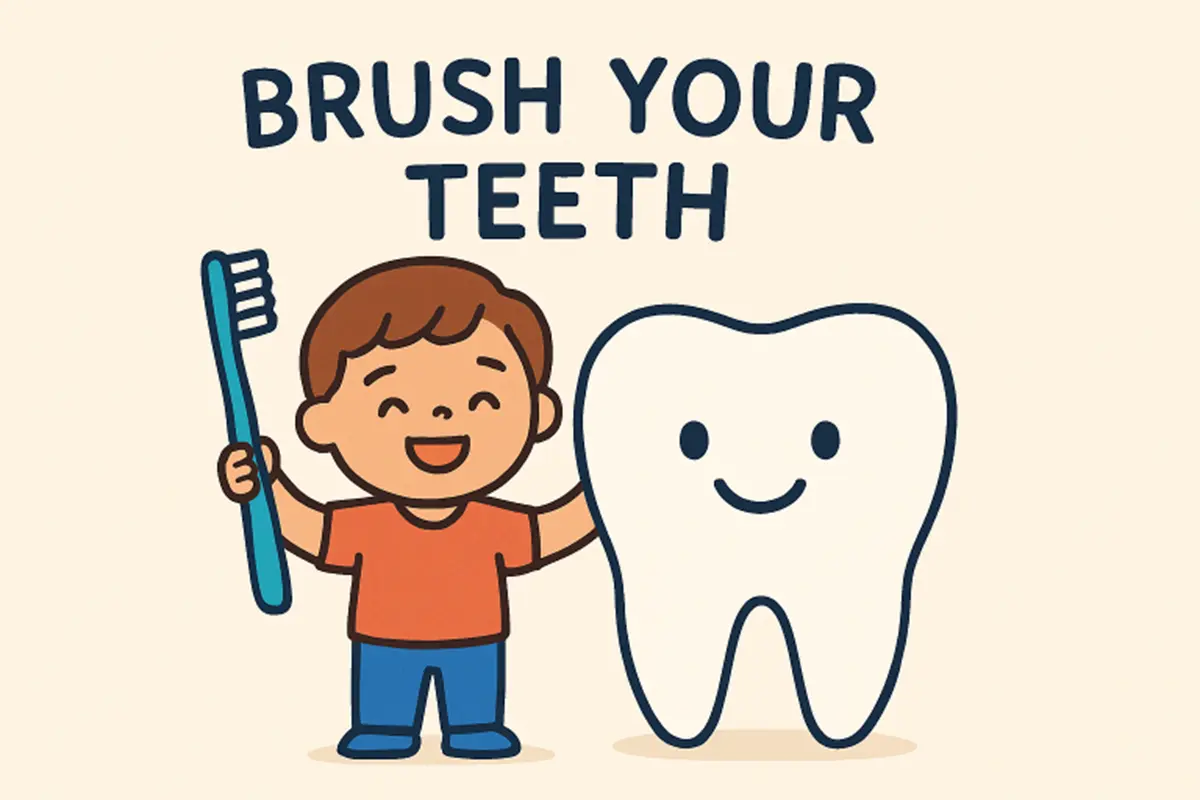
Children benefit from structured dental routines that emphasize proper brushing and flossing techniques. Start by using a soft-bristled toothbrush and a rice-sized smear of fluoride toothpaste for toddlers, increasing to a pea-sized amount as children grow older. Encourage your child to brush for at least two minutes, twice daily, ensuring all tooth surfaces are reached. Flossing should begin as soon as two teeth touch, teaching children to gently clean between teeth to prevent cavity-causing plaque from building up.
The Role of Nutrition in Dental Health
Nutrition is central to maintaining strong, cavity-resistant teeth in children. A diet high in crunchy fruits, vegetables, and calcium- and vitamin D-rich foods supports enamel development and helps repair daily wear. Limiting sugary snacks and beverages, such as sodas and fruit juices, helps reduce the risk of cavities. Dairy products—such as cheese, milk, and yogurt—contribute to healthy tooth enamel and bone growth, while leafy greens and nuts offer essential vitamins and minerals necessary for robust dental health.
Regular Dental Check-Ups and Preventive Treatments
Routine dental visits, ideally every 6 months, are pivotal for tracking your child’s oral development and providing preventive care as needed. Dentists can apply fluoride varnishes and dental sealants—treatments that reduce the likelihood of cavities in vulnerable teeth, especially molars. According to the CDC, sealants can prevent up to 80% of cavities in the back teeth, where tooth decay is most common. Fluoride treatments should be repeated every six months, as recommended by dental professionals, to deliver continued protection against decay.
Parental Involvement and Education
Parents and caregivers are the strongest advocates for their children’s dental health. Teaching children consistent oral hygiene practices, demonstrating techniques, and maintaining an optimistic attitude about dentist visits can shape children’s feelings and behaviors toward oral care.
Addressing Dental Anxiety in Children
Dental anxiety can keep children from necessary visits, increasing the risk for preventable dental problems down the line. Choosing a child-friendly dental office with a welcoming environment, explaining each step of a dental appointment in simple terms, and using positive reinforcement can alleviate fears. Modern advances, such as virtual reality headsets, are being used in select practices to create immersive distractions during procedures, significantly reducing anxiety and making dental visits more enjoyable for kids.
Conclusion
Cultivating lifelong dental health in children is a partnership between families, dental professionals, and the community. By instilling consistent routines, seeking regular preventive care, and fostering an understanding of good oral hygiene, parents can provide their children with a strong foundation for a future of healthy smiles. Prioritizing dental wellness from infancy through adolescence not only helps prevent common dental issues, but also builds the self-assurance and habits children need for thriving oral—and overall—health.
Also Read-Compassionate Support for a Healthier Mindset