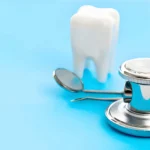
One of the most urgent dental injuries that you can have is that of a knocked-out tooth, which is otherwise referred to as tooth avulsion. It doesn’t only appear frightening, it has an impact on the living structures that keep your tooth in the right place and start the process of a chain of alterations in your mouth as soon as the tooth comes out of the socket. The response to this is to act quickly so as not to lose your natural tooth permanently.
Let’s take a read at what can be done immediately, why time is of the essence in such a scenario, and why visiting an Emergency Dentist immediately gives you the highest likelihood of saving your tooth and safeguarding your oral health in the long run.
Immediate Steps After a Tooth Is Knocked Out
Your initial moments matter when a permanent tooth is knocked out. Although shock and pain may distract, the quickest action offered with a calm mind will provide the best possibility to save the tooth.
Locate the Tooth and Handle It Correctly
Locate the tooth and grab it by the crown that is the white part you use to chew with. The root end is not to be touched; the sensitive cells on the root surface are necessary for successful reattachment.
Rinse Gently if It’s Dirty
In case of soil or debris sticking to the tooth, rinse using milk, saline or your saliva. Do not scrub, using toothpaste or tap water, as it will destroy the root cells required in re-implantation.
Try to Reinsert the Tooth
If possible, place the tooth back into the empty socket. Make the individual bite lightly on a clean cloth/gauze to aid in holding it in place until you arrive at the emergency care.
Keep the Tooth Moist If You Can’t Reinsert It
If you are unable to reposition the tooth, keep it moist, preferably in a capped container of milk or saline, or even between the cheek and the gums. It is important to prevent the root from drying.
Why Timing Is Critical for Saving a Knocked-Out Tooth
The most significant factor in the possibility of saving a knocked-out tooth is time. The cells on the root surface start dying immediately when the tooth is out of the socket.
The first 30-60 minutes following injury is the so-called golden hour for dental experts. The chances of a successful re-implantation during this period are high because:
- The supporting bone socket hasn’t begun to close.
- Root cells are still viable and able to reattach.
- A dentist can place the tooth back into position and stabilise it.
When a lot of time elapses, the probability of saving the natural tooth decreases at a steep rate. A dentist who is unable to re-implant the tooth can still save the area, and prescribe such alternatives as bridges, dentures or dental implants to avoid movement of the neighbouring teeth.
What to Do to Preserve the Tooth Until You See a Dentist
Although the final objective is to find an same day dentist service as fast as possible, you can more or less take action before you go to a dentist:
- The tooth should only be handled by the crown. Handling of the root may hurt the periodontal ligament cells that are required during reattachment.
- Tea towels, tissues or putting the tooth down will not do. Moisture is essential. Hold it in milk, saliva or saline till you can be attended to.
Even if you may have taken all first-aid precautions, you must still need professional evaluation at the earliest opportunity, preferably 30 minutes after you have been injured. It is time that saves from losing a tooth.
Why Emergency Care Can Save Your Tooth from Permanent Damage
When you reach an emergency dentist promptly, they can:
• Assess the Damage
A dentist will X-ray to ensure that there are no other injuries, like root/bone fractures that are not seen externally.
• Reimplant and Stabilise
In case of the tooth, which could be saved, your dentist could simply reposition it and hold it firmly with some kind of splint attached to adjacent teeth. Gradually, the ligament and bone start repairing around it.
• Manage Soft Tissue Injury
Such trauma, which knocks out a tooth, usually damages adjacent gums or soft tissues. These injuries can be treated and addressed by a dentist to minimise the risk of infection.
Without emergency care, the empty socket can be infected, bone loss and shifting of neighbouring teeth, which deteriorate the oral health condition and functionality in the long-term; could occur.
Wrap-Up: Preventing Future Accidents and Tooth Damage
Knocked-out teeth may occur during a fall, a sports injury, an accident, or a severe blow to the face. Although you can not do away with all the risk, you can decrease the chances of injury by:
- Wearing a mouthguard during contact sports.
- Avoiding hard foods or objects that could cause accidental knocks.
- Keeping regular dental check-ups so minor issues are treated before they contribute to trauma. (Sourcing common preventative advice)
Education and preparation help preserve your natural smile and avoid emergency dental situations when possible.
FAQs
Can a knocked-out tooth be saved?
Yes, particularly if you see emergency dental care quickly and handle the tooth properly before you arrive.
How soon should I see an emergency dentist after a tooth is knocked out?
Ideally, within 30 minutes to one hour for the best chance of successful re-implantation.
Should I try to reinsert my tooth myself?
Yes, if you feel comfortable doing so. Hold the tooth by the crown, align it back in the socket and hold it gently. If not possible, keep it moist and seek help immediately.
What do I use to store a tooth before dental care?
Milk, saliva or saline solution are the best options to keep the tooth moist. Avoid drying it out.
Can a baby tooth be reinserted?
No. You should not reinsert a knocked-out baby tooth, as this can damage the permanent tooth developing beneath it.
A knocked-out tooth is a dental emergency to take care of seriously. However, understanding what to do and being timely can make all the difference.
The above-mentioned steps should be followed, and also visit an Emergency Dentist immediately to increase the chances of saving your natural tooth and securing your long-term dental health.