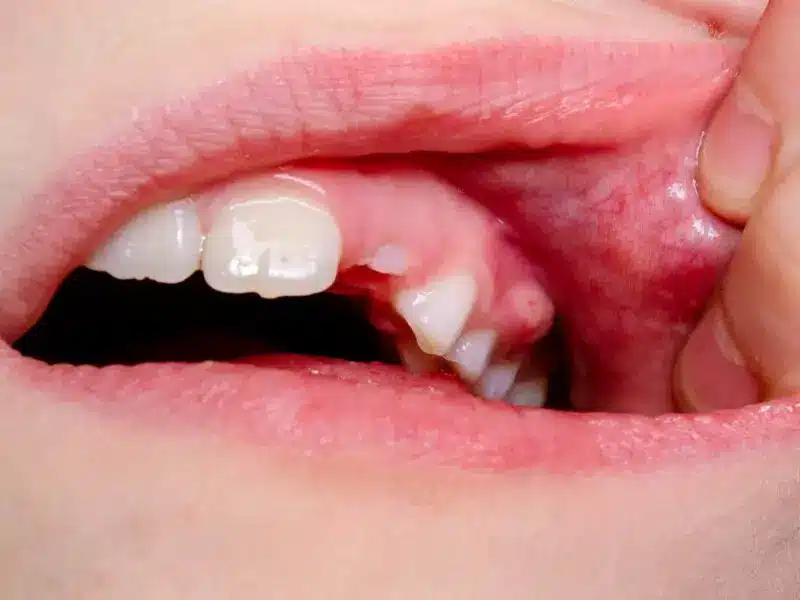
A sudden inability to open your mouth fully can be alarming. One minute you’re eating or talking as normal; the next, your jaw feels stiff, painful or downright locked. This is not just “muscle tension” – when a dental infection is involved, especially around a wisdom tooth, it can be a sign of serious spread and needs urgent attention.
This restricted jaw opening isn’t just uncomfortable. It interferes with eating, speaking, maintaining hygiene, and – importantly – makes dental treatment more difficult unless dealt with promptly.
How Infection Causes Muscle Spasm and Trismus
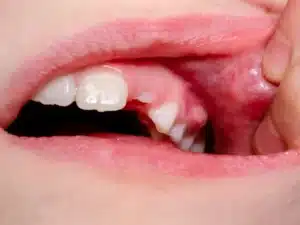
When a tooth becomes infected, particularly a partially erupted or impacted wisdom tooth, inflammation doesn’t stay localised. Bacteria and inflammatory chemicals can spread beyond the gum line into surrounding tissues and muscles of mastication – the muscles responsible for moving your jaw. This leads to contraction or spasm of these muscles, a condition known medically as trismus, which severely limits jaw opening.
Trismus can occur not only from direct muscle spasm, but also from infection tracking along fascial planes into spaces where chewing muscles attach. In many dental infections associated with wisdom teeth, the inflammation isn’t confined to the tooth alone; it invades deeper spaces and causes stiffness that patients describe as a “locked jaw.”
Why Limited Mouth Opening Makes Diagnosis and Treatment Harder
Restricted mouth opening makes basic examination and treatment more complicated. When your jaw won’t open fully, a dentist can struggle to see or reach the infected tooth and surrounding tissues. This delay in proper evaluation can allow the infection to worsen.
Reduced opening also means you’re less able to brush, floss or keep the area clean, which further accelerates bacterial growth and spread. Eating becomes difficult, and you may start compensating by chewing on the other side – which can lead to uneven pressure and further aggravation.
Warning Signs That Restricted Movement Signals Serious Spread
Difficulty opening your mouth due to trismus is more than just an inconvenience – it’s a red flag. Pain that worsens as muscles contract, swelling in the cheek or jaw, fever, bad taste, or foul smell in the mouth are all signs that an infection may be spreading beyond the initial site.
If infection spreads toward the floor of the mouth or deeper facial spaces, it can even threaten the airway. Conditions like deep space infections or cellulitis can rapidly progress and require hospital care. The presence of trismus with facial swelling or systemic symptoms demands urgent evaluation.
Why This Symptom Alone Justifies Urgent Care
When you can’t open your mouth fully due to a dental infection, it’s not a situation where you can “wait and see.” Trismus indicates muscle involvement and deep tissue inflammation – both of which signal that infection is no longer superficial. Waiting for symptoms to worsen increases the risk of abscess formation, spread to deeper fascial spaces, and potentially life-threatening complications.
For wisdom tooth–related infections, restricted mouth opening is one of the key signs that what once might have been a manageable issue has evolved into an emergency. Prompt treatment helps prevent further spread and reduces the likelihood of more invasive procedures later.
What Emergency Treatment Involves When Opening Is Limited
When infection causes trismus and significant jaw restriction, immediate management often includes addressing the source of infection. In many cases involving wisdom teeth, this means emergency wisdom tooth removal to eliminate the nidus of infection. Urgent extraction reduces ongoing inflammation, prevents deeper spread, and helps resolve the muscle spasm more effectively than delaying intervention.
Before extraction, your dentist may prescribe antibiotics to control the infection and pain relief to manage discomfort. In some cases, muscle relaxants or anti-inflammatory medications are also used to ease jaw stiffness so that the mouth can be opened safely for treatment. Once the infection is stabilised and the area is accessible, the impacted or infected wisdom tooth can be removed as part of the emergency intervention.
In severe cases, drainage of abscesses or surgical incision may be necessary to release trapped pus and reduce pressure. The sooner this is done, the lower the risk of the infection affecting broader anatomical spaces.
Conclusion
Not being able to open your mouth properly due to a tooth infection is not muscle tension or bad jaw mechanics – it’s often a sign that the infection has moved into muscles and deeper tissues. This condition, known as trismus, complicates diagnosis, delays treatment and can allow the infection to spread into dangerous spaces around the neck and airway.
Restricted jaw movement combined with signs of infection requires immediate professional care. Emergency wisdom tooth removal and appropriate medical management are critical to stopping the infection, relieving symptoms, and preventing serious complications.
FAQs
Why does a dental infection make my jaw stiff?
Infection spreads inflammation to the muscles of chewing, causing spasms that limit jaw opening. This condition is called trismus.
Is limited mouth opening an emergency?
Yes – difficulty opening your mouth with infection suggests deeper spread and needs urgent care, especially when paired with pain, swelling or fever.
Can trismus affect breathing?
In severe cases, infection can spread to deep spaces near the airway, making trismus more than a dental issue.
Will antibiotics alone fix the problem?
Antibiotics may reduce infection temporarily, but if the source is an infected wisdom tooth, emergency wisdom tooth removal is often necessary to resolve the issue.
How soon after trismus starts should I seek help?
As soon as you notice restricted movement with signs of infection, seek dental care immediately – delaying treatment can lead to abscesses or deeper spread.
Also Read
- Complete Dental Care for a Healthier, Brighter Smile
- Daman Game Login: Get Started in Minutes
- Top Data Science Tools Powering Modern Fintech Solutions