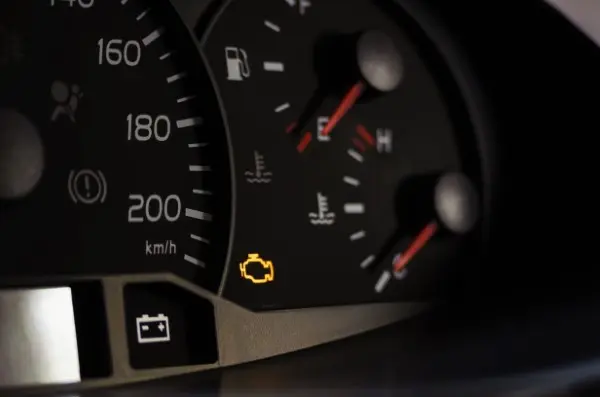
The Warning Light That Won’t Stay Fixed
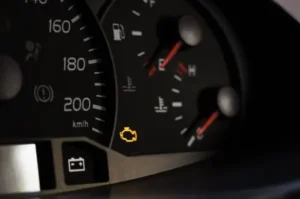
The first time the warning light came on, it seemed like a minor issue. The mechanic plugged in the scan tool, found a fault code, replaced the flagged sensor, and cleared the code.
Except it was not solved. A week later, the same light appeared. Then a different one. The car went back, another part was swapped, and the bill kept growing. After the third or fourth visit, the driver starts to wonder whether the car itself is simply beyond saving.
This is a scenario that plays out more often than most people realise. And in many cases, the engine, the sensors, and the electronics are not the issue at all. The real cause is hiding under the bonnet, and it has nothing to do with how the vehicle was built.
Why Standard Diagnostics Miss the Real Cause
Modern vehicles rely on dozens of electronic control modules connected by hundreds of metres of wiring. When something goes wrong, the first step is almost always a diagnostic scan. The tool reads stored fault codes, identifies which circuit triggered the warning, and points the mechanic toward a fix.
The problem is that scan tools detect failed components. They can tell you a sensor is not responding or a circuit is outside its expected range. What they cannot do is explain why.
When a wire has been partially chewed through, it may still carry a signal most of the time. The connection fails only when the wire flexes a certain way, or when temperature changes cause the damaged section to expand or contract. These intermittent breaks produce fault codes that appear and vanish without pattern, making them nearly impossible to pin down through electronic diagnosis alone.
The mechanic follows the code, replaces the part it points to, and the system tests fine. Until the wire shifts again and the whole process starts over.
How Pests Damage Vehicle Wiring Without Being Detected
Rats, mice, and in parts of Australia, possums are all known to chew through vehicle wiring. Many modern vehicles use wiring insulation made with soy-based compounds, and rodents are naturally drawn to it.
They enter the engine bay through gaps underneath the vehicle or along the firewall. Once inside, they find a warm, sheltered space that is rarely disturbed. They chew insulation to wear down their teeth, build nests from shredded material, and leave droppings that contaminate air filters and intake systems.
The wiring damage they cause is often small and localised. A section of insulation stripped here, a partial nick in the copper there. It does not look dramatic, and it is usually hidden behind panels, under plastic covers, or deep inside wiring looms where nobody thinks to look during a routine inspection.
This is why the problem persists through multiple workshop visits. The scan tool cannot see physical damage, and unless the mechanic specifically inspects the wiring by hand, the chewed sections go unnoticed.
The Costly Cycle of Replacing Parts That Aren’t Broken
Each time the fault code returns, the logical next step is to try a different fix. A new sensor. A replacement module. A rewired connector. Every attempt costs money, and every attempt fails to hold because the underlying cause has not been touched.
Over the course of several months, it is not uncommon for a driver to spend well over a thousand dollars on parts and labour that were never needed. Worse, the repeated failures erode trust. The driver loses confidence in the mechanic, and some owners give up entirely, selling the vehicle at a loss and convinced it has a deep electrical fault that cannot be repaired.
In reality, the car may be perfectly sound. The only thing wrong with it is that something keeps chewing through its wiring, and nobody has thought to look for teeth marks.
Addressing the Source of the Problem
Repairing the wiring is only half the solution. If the pest population around the property is still active, the damage will return the next time the car sits overnight.
This is where most people get stuck. They fix the car but never consider what caused the damage in the first place. Garages, carports, and even open driveways near bushland or overgrown areas can harbour rodent populations that treat parked vehicles as shelter.
Getting proper pest control to assess and treat the property is the step that breaks the cycle. A professional service identifies entry points, nesting sites, and environmental attractants that sustain the population. Without removing the source, every wiring repair is just a temporary patch. The pests return, the chewing resumes, and the dashboard lights come back on within weeks.
Getting a Proper Hands-On Vehicle Inspection
Once the pest issue has been addressed, the vehicle itself needs a thorough inspection that goes well beyond plugging in a scan tool.
A proper assessment for pest-related damage means physically tracing wiring harnesses, checking for gnaw marks on insulation, looking for nesting debris in the engine bay, and testing continuity on circuits that have thrown intermittent codes. It is time-consuming, but it is the only reliable way to find damage that electronic diagnostics miss.
Searching for a trusted mechanic near me who is experienced enough to investigate beyond the fault codes is worth the effort. Not every workshop will check for environmental causes of electrical faults, but those that do can save you months of repeat visits and unnecessary part replacements. A single hands-on inspection often uncovers what three or four scan-based appointments could not.
Prevention Tips for Homeowners Who Park at Home
A few practical habits can significantly reduce the chance of pest-related vehicle damage recurring.
Keep the garage or carport clean and free of clutter. Pests thrive in undisturbed, cluttered spaces, and removing their shelter options makes the area far less attractive. Seal any visible gaps around doors, walls, and utility entry points where rodents could gain access.
Pop the bonnet and do a quick visual check every couple of weeks. Look for shredded material, droppings, or debris near the air filter, battery, or wiring looms. Early detection prevents small problems from turning expensive.
Avoid parking in the same spot every night if the area is close to bushland or garden beds. Even a small change in routine can disrupt rodent nesting patterns.
Finally, treat pest management and vehicle servicing as connected tasks rather than separate ones. Scheduling them together as part of regular property maintenance ensures neither issue goes unaddressed long enough to cause compounding damage.
Conclusion
Unexplained dashboard warnings are one of the most expensive problems a driver can face, not because the repairs are complex, but because the real cause is so rarely identified. When fault codes keep returning despite new parts and fresh wiring, the answer may not be inside the vehicle at all.
Pest damage to wiring is far more common than most people expect, and it is almost never considered during a standard diagnostic process. Solving the problem means looking beyond the scan tool and addressing what is happening around the car, not just under the bonnet.
Also Read
- Top Data Science Tools Powering Modern Fintech Solutions
- Essential Cybersecurity Tactics for Modern Businesses
- The Role of Lifestyle Changes in Managing Chronic Pain