Key Takeaways
- Artificial grass offers a low-maintenance alternative to natural lawns.
- It conserves water, making it environmentally friendly.
- Modern synthetic turf provides a realistic appearance and feel.
- It’s durable and suitable for a wide range of climates and uses.
- Initial investment is offset by long-term savings.
Maintaining a lush, green lawn has long been a symbol of homeownership pride. However, the demands of natural grass—constant watering, mowing, and fertilizing—have led many to seek alternatives. Enter artificial grass: a solution that’s gaining popularity for its numerous benefits. Companies like ForeverLawn® of South Jersey, established in 2006 by the Bast family, specialize in providing high-quality synthetic turf solutions tailored to residential lawns, playgrounds, and pet areas.
Low Maintenance, High Appeal
One of the primary reasons homeowners are making the switch is the significant reduction in maintenance. Traditional lawns require regular mowing, watering, and fertilizing to stay healthy. In contrast, artificial grass remains green and vibrant with minimal effort. This means more free time and less money spent on lawn care products and services. Additionally, artificial turf can withstand heavy foot traffic without developing bare spots or uneven growth. Its consistent appearance year-round makes it a practical option for those seeking a reliable, low-maintenance outdoor surface.
Water Conservation and Environmental Benefits
In regions facing water shortages, conserving water is crucial. Natural lawns can consume thousands of gallons annually. By opting for artificial turf, homeowners can drastically reduce water use, support environmental conservation, and lower utility bills. Additionally, synthetic grass eliminates the need for pesticides and fertilizers, reducing chemical runoff into local waterways. This shift can contribute to healthier soil and surrounding ecosystems over time. It also aligns with broader sustainability goals by minimizing resource consumption and environmental impact.
Realistic Appearance and Feel
Advancements in technology have led to artificial grass that closely mimics the look and feel of natural grass. High-quality synthetic turf features multiple shades of green and varying blade lengths, creating a realistic, aesthetically pleasing lawn. This ensures that homeowners don’t have to sacrifice beauty for convenience. Many modern options are also designed to feel softer underfoot, improving comfort for everyday use. Enhanced drainage systems help prevent water buildup after rain. Together, these improvements make artificial grass a visually appealing and functional alternative to natural lawns.ce.
Durability Across Climates
Artificial grass is designed to withstand a range of weather conditions, from scorching summers to freezing winters. It resists wear and tear from foot traffic, pets, and play, maintaining its appearance year-round. This durability makes it an excellent choice for families and pet owners seeking a long-lasting lawn solution. Unlike natural grass, it does not develop bald patches or muddy areas, even with heavy use. Its resilience ensures a consistently attractive and functional outdoor space throughout the seasons.
Cost-Effective Investment
While the initial installation of artificial grass can be higher than seeding or sodding natural grass, the long-term savings are substantial. Homeowners save on water bills, lawn care equipment, and maintenance services. Over time, these savings can offset the initial investment, making synthetic turf a financially savvy choice. Additionally, artificial grass reduces the need for fertilizers, pesticides, and other ongoing lawn treatments, further cutting costs. Its durability also minimizes the likelihood of repairs or replacement, preserving value over many years. Considering both financial and practical benefits, synthetic turf represents a smart, long-term investment for any property owner.
Pet and Child-Friendly
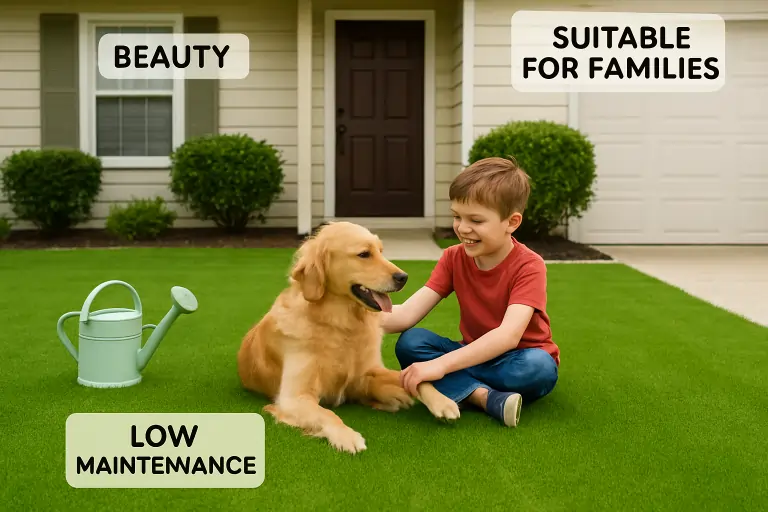
For families with children and pets, artificial grass provides a safe, clean play area. It eliminates muddy patches and reduces exposure to pests and allergens commonly found in natural lawns. Additionally, many synthetic turfs are designed with drainage systems, ensuring quick drying after rain and easy cleanup of pet waste. Its even surface helps prevent trips and falls, making outdoor play safer for young children. Parents can enjoy peace of mind knowing that pets can roam freely without damaging the lawn. Overall, artificial grass combines practicality, safety, and comfort for a family-friendly outdoor space.
Enhancing Property Value
A well-maintained lawn enhances curb appeal and can increase property value. Artificial grass provides a consistently attractive appearance, which can be a selling point for potential buyers. Its low-maintenance nature is also appealing to those looking for a beautiful yard without the associated upkeep.
Conclusion
The shift towards artificial grass is driven by its numerous advantages, including low maintenance, water conservation, durability, and aesthetic appeal. Homeowners seeking a practical, attractive lawn solution are increasingly turning to synthetic turf as a viable, cost-effective alternative to natural grass.
Read more: What Brand Health Really Means in Today’s Market
Why Portugal Has Become a Top Destination for Digital Nomads—and How to Stay Connected
10 Common Causes of Car Accidents in Las Vegas