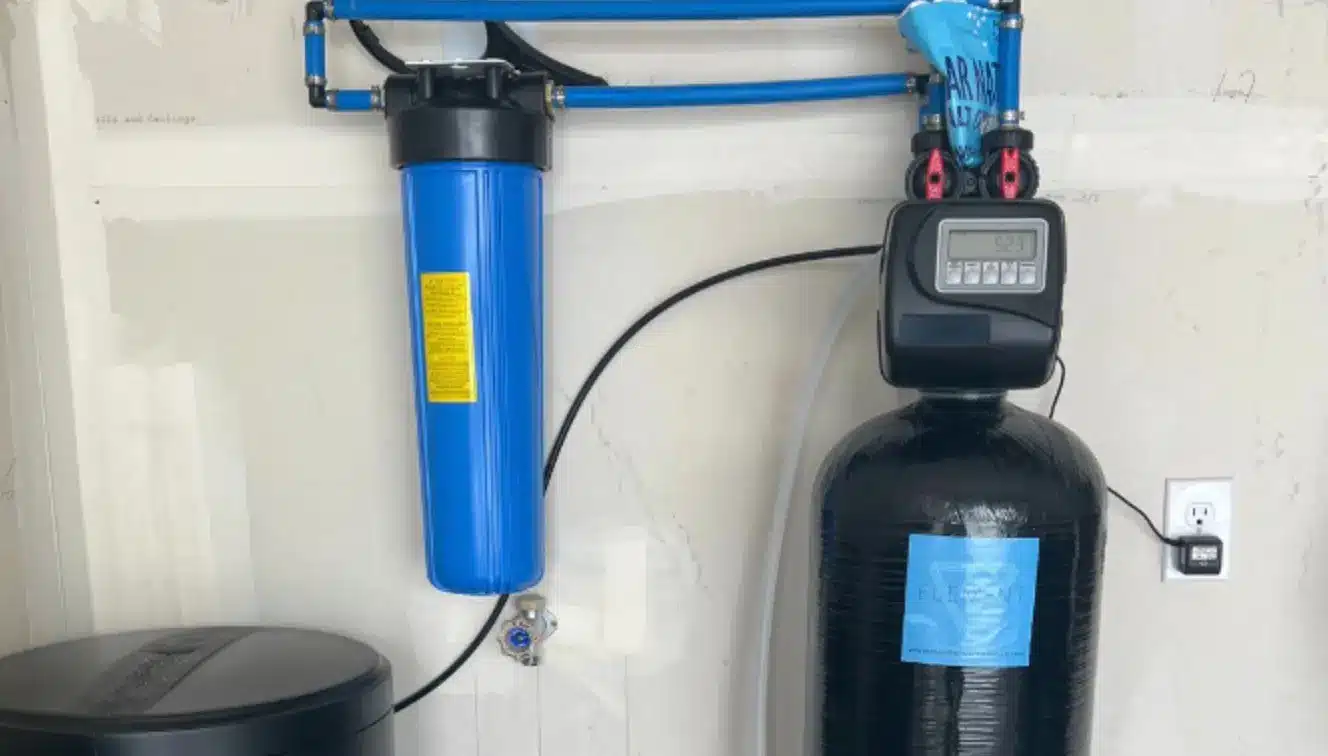
A whole house water filtration system protects every tap in your home, your showers, your laundry, your kitchen, and even your plumbing. However, with numerous system types available on the market, selecting the right one can be confusing. Each filtration method targets different contaminants, performs differently, and solves specific problems.
This guide breaks down the most effective whole-home filtration technologies in clear, practical terms, so you can understand exactly what each one does and how it fits into your water-quality goals.
The Fundamental Filters: The Backbone of Your System
The majority of whole house systems rely on two or three foundational stages. Understand these, and you understand 80% of residential water treatment.
| Filter Type | How It Works (Mechanism) | Primary Contaminants Removed | Best Used For |
| 1. Sediment | Uses fine mesh or spun cartridges to physically block large particles. | Dirt, sand, silt, rust, scale, and clay. | Pre-filtration. It protects the more expensive filters downstream from premature clogging. |
| 2. Activated Carbon (GAC/Block) | Utilizes adsorption; contaminants stick to the highly porous surface of the carbon media. | Chlorine, chloramines (with catalytic carbon), bad taste, odors, and VOCs (Volatile Organic Compounds). | City Water. It handles the chemical disinfectants in municipal supplies. |
| 3. Ion Exchange | Exchanges hardness-causing ions (Calcium and Magnesium) for harmless Sodium or Potassium ions. | High levels of Calcium and Magnesium (Hard Water). | Water Softening. It prevents scale buildup, extending the life of your appliances and plumbing. |
Crucial Distinction: Standard Activated Carbon (GAC) excels at removing chlorine, but you need Catalytic Carbon to effectively eliminate the more stubborn disinfectant, chloramine. Always check your city’s water quality report to confirm which disinfectant they use.
Specialized Treatments: For Advanced Water Quality Issues
For homeowners dealing with well water, high TDS (Total Dissolved Solids), or specific biological risks, your whole house water filtration system must incorporate these specialized technologies:
1. Purification by Ultraviolet (UV)
- What it does: UV lamp, which is contained in a chamber, radiates UV-C light and interferes with the DNA of microorganisms.
- What it eliminates: Bacteria, viruses, cysts and protozoa (e.g., E. coli, Giardia).
- Why you should have it: UV is a very potent and chemical free disinfectant. It is mandatory among well water users and highly advised as a final protective measure to any home that considers this issue of contamination by microbes.
Note: UV does not kill, but merely purifies; it has to be installed behind a sediment filter such that the light reaches the water completely.
2. Whole House Reverse Osmosis (RO)
- What it is: The system forces water through a semi-permeable membrane that has extremely tiny pores (approximately 0.0001 microns).
- What it removes: Dissolved salts, heavy metals (Lead, Arsenic, Mercury), Fluoride, Nitrates, and almost all dissolved solids.
- Why you need it: RO offers the most comprehensive purification. However, installing a whole-house RO system is rare and expensive due to low flow rates and high water waste.
Homeowners typically reserve RO for a Point-of-Use (POU) system at the kitchen sink to provide highly purified drinking water, using a large-capacity carbon filter for the rest of the home.
3. Iron and Manganese Filters
- What it is: Often uses specialty media (like a Greensand or Birm) or an air injection oxidation system.
- What it removes: High concentrations of dissolved Iron and Manganese.
- Why you need it: These minerals cause orange or black staining on fixtures and laundry. They require dedicated treatment before other filters to prevent irreversible damage and clogging.
Final Takeaway
A whole house water filtration system isn’t just a home upgrade; it’s a long-term investment in your water quality, appliance health, and overall wellbeing. Carbon systems offer reliable everyday filtration, RO handles complex contaminants, UV ensures safe disinfection, and hybrid solutions combine the best of all worlds.
The key is choosing a system that matches your water conditions and lifestyle. With the right setup, your entire home benefits from cleaner, safer, and better-tasting water every day, from every tap.
Also Read-Compassionate Support for a Healthier Mindset