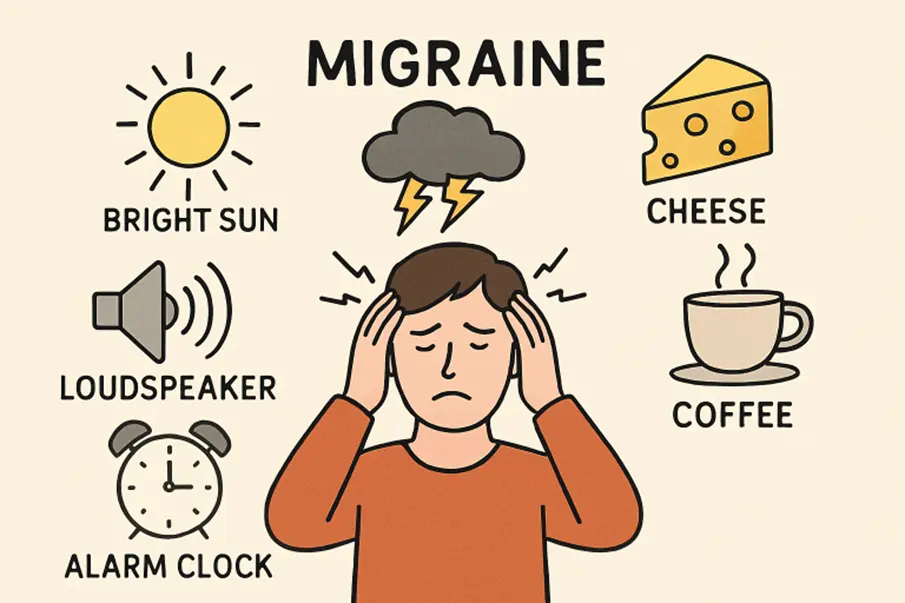
Migraines are much more than just headaches. For many who suffer from them, migraine attacks can be debilitating, often disrupting daily activities and diminishing quality of life. What makes migraines particularly complex is their unpredictable nature. While some people experience attacks only occasionally, others may face them regularly, triggered by factors that can be difficult to pinpoint. For those exploring ways to minimize attacks or seeking advice on migraine treatment Jacksonville FL, understanding potential triggers is a vital step toward finding relief.
Researchers have identified several categories of migraine triggers: environmental conditions, certain foods or drinks, fluctuations in routine, hormones, and even sensory input like light or sound. Knowing which triggers might affect you is not always straightforward, but learning about them is the first step in managing migraines more effectively.
Each individual’s migraine experience is unique, so triggers that provoke one person may have little effect on another. Being mindful of the following causes and how they relate to your daily life empowers you to make targeted changes for your well-being. This article explores the most common and surprising causes of migraines, as well as practical solutions for lasting relief.
Environmental Factors
Environmental changes often play a hidden role in setting off migraine attacks. Shifts in weather, ranging from sudden drops or rises in barometric pressure to increased heat or humidity, have been shown to affect the body in ways that can trigger migraines. Studies suggest that climate change and evolving weather patterns might be responsible for more frequent and intense migraine episodes in some regions. People with migraines should monitor local weather conditions and take preventive steps, such as staying indoors during extreme weather or maintaining a stable, comfortable indoor environment.
Dietary Triggers
Food and beverage choices can have a dramatic impact on migraines, especially for those sensitive to specific ingredients. Common triggers include aged cheese, foods that contain nitrates like processed meats, chocolate, alcohol (particularly red wine), and foods high in tyramine. In addition, skipping meals or engaging in fasting may cause blood sugar levels to plunge, spurring a migraine in vulnerable individuals. For many, keeping a food diary helps pinpoint connections between dietary choices and the onset of a headache.
Lifestyle Influences
Stability in daily routines is essential for those who experience migraines. Irregular sleep schedules, heightened stress, and abrupt changes in daily habits can all contribute to migraine attacks. A study highlighted that significant deviations from routine are strongly associated with migraines occurring within the following day. This means that maintaining a steady sleep schedule, practicing stress-management techniques like breathing exercises, and striving for consistency in day-to-day habits may help prevent attacks.
Hormonal Fluctuations
Hormonal shifts are among the most common migraine triggers for women. Fluctuations in estrogen before or during menstruation, pregnancy, or menopause can make migraines more frequent or intense. Certain oral contraceptives may also increase the likelihood of an attack. Recognizing these patterns allows individuals and their healthcare providers to anticipate and proactively manage hormone-related migraine risks.
Sensory Stimuli
Sensory experiences such as bright lights, loud noises, and distinctive odors can quickly initiate a migraine in susceptible people. Whether it is the glare from a computer screen, flashing lights while driving at night, or walking into a room scented with strong perfume, these experiences can overload the senses and set off a migraine. Being aware of your sensory environment and using sunglasses, earplugs, or fragrance-free policies can lessen the risk of an attack.
Medications and Substances
Several medications list headaches or migraines among their side effects. Drugs known as vasodilators, which widen blood vessels, can inadvertently contribute to migraines. Additionally, using nicotine or frequently consuming caffeine can have paradoxical effects on headache risk. It is important to discuss any medication changes with a healthcare professional and be honest about lifestyle habits such as smoking, as these can influence your overall migraine risk.
Identifying Personal Triggers
Since triggers vary widely from person to person, adopting a detective-like approach can reveal valuable insights. By maintaining a migraine diary that tracks foods, environmental exposures, sleep patterns, stress levels, and physical activity, individuals can clarify which triggers play a pivotal role in their migraine attacks. Partnering with a healthcare provider to review this information increases the odds of creating a personalized prevention plan.
Effective Management Strategies
Managing migraines often begins with avoiding known triggers where possible. Adopting practical lifestyle habits, such as eating regular meals, sleeping consistently, managing stress, and reducing exposure to known environmental or sensory triggers, can lead to a decrease in both frequency and severity of attacks. Techniques such as mindfulness, progressive muscle relaxation, and regular exercise have demonstrated benefits in research studies. In more severe or persistent cases, professional consultation is crucial, and there are medications and interventional treatments that can dramatically improve quality of life.
Conclusion
Understanding what triggers migraines and making sensible lifestyle modifications can transform the daily experience of those who struggle with this challenging condition. By being proactive and building a tailored management plan, sufferers can reduce attacks and live with greater comfort, confidence, and control.
Also Read
- Future Trends in Emergency Vehicle Technology
- Essential Cybersecurity Tactics for Modern Businesses
- How to Master Stress Management for a Healthier Lifestyle