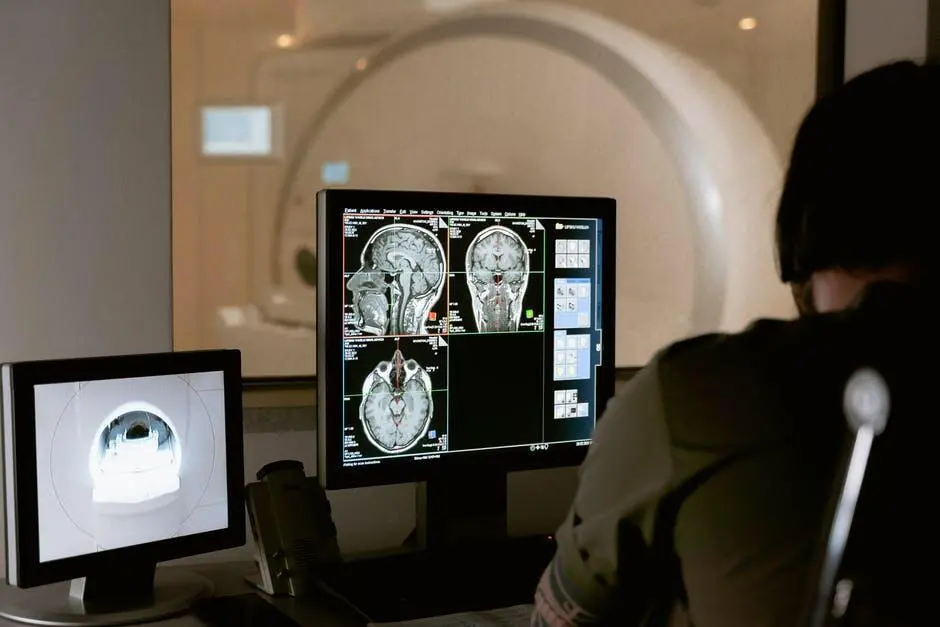
Optimize contrast imaging safety with remote expert oversight that helps teams manage risks, follow protocols, and deliver dependable diagnostic results.
Contrast imaging plays an important role in helping doctors identify conditions more accurately, but it also requires careful supervision to keep every patient safe throughout the procedure. Virtual supervision services offer a modern solution by giving imaging teams access to expert oversight without needing a specialist on-site for every scan.
This approach improves safety, strengthens workflow, and helps imaging centers provide consistent care for all patients.
What Is Virtual Supervision in Contrast Imaging?
Virtual supervision in contrast imaging is a modern way to guide and support imaging procedures without requiring a supervisor to be physically present. This approach makes supervision more accessible, more consistent, and easier to manage.
How Virtual Oversight Works
Virtual oversight allows a qualified radiologist, nurse, or technologist to supervise contrast imaging through secure platforms. They can:
- Review patient details
- Confirm imaging protocols
- Approve contrast use
This helps imaging teams move forward without long wait times or scheduling problems.
Why Virtual Options Are Growing
Healthcare centers face staff shortages, unpredictable patient loads, and pressure to deliver faster imaging results. Virtual supervision helps solve these challenges by giving facilities access to remote experts who can support them at any time. It also ensures that every location within a network receives the same level of oversight and safety.
Key Benefits of Virtual Supervision Services
Virtual supervision offers many advantages for imaging departments. It enhances safety, reduces delays, and helps with regulatory compliance. These benefits allow healthcare organizations to deliver better care while keeping daily operations smooth.
Improved Patient Safety
Virtual supervision adds another layer of protection for patients receiving contrast materials. Before any injection takes place, a remote expert reviews:
- allergies
- lab results
- medical history
This lowers the chance of errors and protects patients with higher medical risks.
Faster Workflow and Reduced Delays
Waiting for an on-site supervisor can slow down imaging schedules, especially during busy hours. Virtual supervision provides quick access to approval and guidance, which keeps patients moving through the process on time. With services like ContrastConnect, teams can communicate faster and keep procedures running smoothly.
More Consistent Compliance
Imaging centers must follow strict standards for contrast use and supervision. Virtual supervision helps maintain these rules by providing clear documentation and reliable reviews. Remote supervisors can complete digital forms and ensure every step follows proper guidelines.
Enhancing Imaging Team Support
Virtual supervision not only keeps patients safer but also supports the imaging team. It connects staff with experienced specialists, better communication systems, and ongoing learning opportunities. This helps technologists work with more confidence and skill.
Access to Experienced Specialists
Many clinics, especially small or rural ones, do not always have a radiologist or contrast-trained nurse on-site. Virtual supervision gives these facilities access to skilled professionals whenever needed. This reduces unnecessary patient transfers and supports safer imaging at every location.
Better Communication Tools
Virtual platforms use secure video, chat, and digital dashboards to make communication simple and clear. These tools allow on-site and remote staff to work together during every step of the imaging process. This reduces confusion and ensures procedures are done correctly.
Training and Skill Development
Remote experts can guide technologists during procedures and provide real-time feedback. This helps new staff learn faster and allows experienced staff to stay aligned with best practices. Over time, the entire team becomes more confident and skilled.
Why Safety Improves with Virtual Oversight
Safety is one of the top reasons why imaging departments adopt virtual supervision. Remote supervisors help review risks, support standard practices, and reduce mistakes. This leads to better imaging quality and fewer patient complications.
Real-Time Patient Monitoring
Virtual supervision tools let remote supervisors check allergies, kidney function, previous reactions, and current vitals. They confirm that the patient is safe for contrast use before imaging begins. This careful review helps prevent many avoidable issues.
Standardized Protocols
Virtual supervision makes it easier for imaging departments to follow the same standards across locations. Remote experts ensure every facility uses the correct protocols and documentation. This consistency creates a safer experience for both staff and patients.
Reduced Risk of Human Error
Busy imaging teams may miss small details during stressful moments. Virtual supervisors serve as a second reviewer to catch errors before they become serious. This protects patients and reduces pressure on technologists.
How Virtual Supervision Improves Workflow Efficiency
Virtual supervision does more than improve safety-it also strengthens workflow. Imaging teams can move faster, handle more cases, and avoid unnecessary delays. This helps departments stay productive even with limited staff.
Streamlined Approvals
Getting contrast approval can cause delays in imaging centers. Virtual supervision allows remote experts to review cases and give approval within minutes. This keeps patient flow steady and reduces long waiting times.
Better Scheduling Flexibility
Virtual supervision allows imaging departments to perform contrast studies at any time, even when on-site supervisors are not available. This is helpful during nights, weekends, or emergencies. Flexible scheduling ensures patients receive timely care.
More Effective Use of Personnel
Healthcare networks can use their experts more efficiently when they are not tied to a single site. One remote supervisor can support several facilities at once. This reduces staff shortages and keeps operations balanced.
Who Benefits From Virtual Contrast Supervision?
Virtual supervision supports many different types of healthcare facilities. Each one benefits based on size, staffing, and patient needs. These services improve patient care and operational efficiency.
Hospitals
Hospitals benefit from virtual supervision by improving workflow, ensuring consistent coverage, and reducing delays. This is especially valuable in emergency departments where time matters. Hospitals also appreciate improved documentation and patient safety features.
Outpatient Imaging Centers
Smaller centers often struggle to hire enough supervisors. Virtual supervision gives them the support they need without adding full-time staff. This helps them operate more smoothly and handle more patients each day.
Rural Clinics
Rural facilities often lack access to specialists. Virtual supervision allows them to perform safe contrast imaging without needing to transfer patients. This improves access to care for communities that may otherwise face delays.
Healthcare Networks
Large organizations with multiple locations can set unified standards across all their sites. Virtual supervision helps maintain consistency, share resources, and reduce costs. Patients benefit from receiving the same quality of care everywhere.
A Safer, Smarter Way Forward
Virtual supervision services support safer contrast imaging, faster workflows, and better collaboration across all types of healthcare facilities. As technology improves, virtual supervision will play an even bigger role in delivering reliable, high-quality imaging care.
If you want to improve safety, efficiency, and consistency in your imaging department, now is a great time to explore virtual supervision solutions.
Find solutions tailored to your needs-start exploring more articles today!
Also Read – Future Trends in Emergency Vehicle Technology