In recent years, a growing number of online communities have embraced a new approach to productivity. It is not the old school method of structured schedules and rigid systems, nor is it the chaotic, inspiration only approach to getting things done. Instead, it blends ambiance, aesthetics, and personal expression with practical efficiency. This shift has become so widespread that it now shapes everything from digital workspaces to tutorials and social media trends. You can even see it in the rise of aesthetic driven productivity methods such as vibe coding, a workflow that emphasizes atmosphere as much as output. Many people exploring this trend eventually look for ways to learn vibe coding, drawn in by its blend of focus and visual appeal.
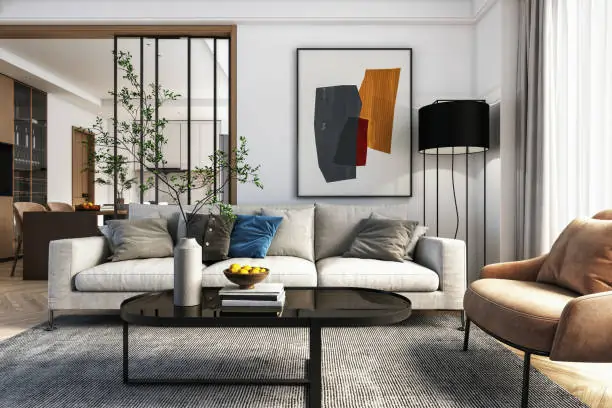
Aesthetic efficiency is not about looking productive for the sake of appearances. It is about crafting an environment that makes the work itself feel inviting. People are discovering that when colors, sounds, and layouts align with their mental state, productivity becomes less of a chore and more of an experience. Whether it is a glowing pink monitor setup, a clean monochrome desk layout, or a set of carefully chosen browser themes, the idea is the same: make the space feel good, and the work will follow.
This mindset aligns with a broader cultural shift toward intentional living in digital spaces. With so much of daily life now mediated by screens, individuals want their online world to feel thoughtfully designed rather than purely functional. Platforms like Pinterest and TikTok have accelerated this trend by offering endless inspiration for workplace aesthetics, productivity rituals, and sensory cues. The effect has been significant enough to catch the attention of user experience researchers. Organizations such as the Interaction Design Foundation have highlighted how environment and interface design directly affect focus and cognitive load, offering insights into why aesthetic driven workflows resonate so strongly: environmental design principles in UX.
Why Aesthetic Productivity Is So Appealing
At its core, aesthetic efficiency taps into the human need for comfort and control. A beautifully arranged digital workspace gives people a sense of agency over their environment. It sends a subtle psychological message: this is a space where work can feel pleasant, not pressure filled.
There is also a strong emotional component. Visual harmony can lower stress levels and make tasks feel smoother. Soft gradients, warm lighting, and curated playlists serve as a buffer against the overwhelm that often accompanies digital workloads. When your environment feels calming, your brain is more willing to enter a state of sustained focus.
In this sense, vibe coding is a perfect example of aesthetic efficiency in action. It transforms coding sessions into an immersive experience through mood lighting, music, and slow layered ambience. The goal is not to beautify for the sake of beauty but to encourage a flow state.
Aesthetic Efficiency as Social Expression
Another reason aesthetic efficiency spreads so quickly is that it is inherently social. People love to share their setups, workflows, rituals, and personal touches. Screenshots of minimalist desktops, videos of perfectly aligned workspaces, and reels of atmospheric late night sessions form the visual language of the aesthetic productivity movement.
These posts create micro communities centered around shared values. For some, it is calm minimalism. For others, it is maximalist inspiration, complete with neon backlighting and animated wallpapers. The variety helps the trend stay fresh and accessible. You do not need expensive tools to participate. Sometimes all it takes is a playlist and a cleaned off desk.
This openness also contributes to what digital culture researchers have identified as “identity signaling,” a phenomenon in which people express who they are through their digital environments. Pew Research Center has explored similar online behaviors in its work on digital self expression and online identity, which offers broader context for why aesthetic productivity is as much cultural as it is personal: research on digital identity behaviors.
Efficiency Hidden Behind Aesthetic Choices
Although aesthetics get the most attention, efficiency is still at the core of the trend. Many people use aesthetic rituals to create a smoother workflow. They organize digital files, streamline their tools, curate libraries of resources, and limit distractions as part of their visual identity.
There is a practical reason for this. A neatly organized digital environment reduces decision fatigue. When everything has a place and the interface looks clean, it becomes easier to start and maintain work. The brain does not have to battle clutter or sensory overload.
This explains why productivity guides are now incorporating aesthetic advice, and why creators emphasize ambiance when teaching coding, editing, or digital art. The presentation enhances the process.
The Social Lifecycle of Aesthetic Trends
Every online aesthetic has a lifecycle. It begins within small communities, grows through algorithmic amplification, becomes mainstream, then eventually shifts into something new. Aesthetic efficiency trends follow this same pattern.
Initially niche setups shared by a handful of creators grow into broader movements. Entire subcultures—like vibe coding—branch out as people remix the idea. Over time, variations emerge: cozy workspaces, neon cyber inspired rooms, clean desk philosophies, mood boards, and seasonally themed layouts.
Because these trends evolve so rapidly, aesthetic efficiency remains dynamic rather than static. People continuously adapt it to reflect new tastes, tools, and moods.
How Aesthetic Efficiency Influences Work Culture
One of the most interesting developments is how this movement has started reshaping workplace expectations. Some employers have begun offering stipends for home office personalization, recognizing that atmosphere affects performance. Virtual co working sessions now commonly include aesthetic elements like shared playlists or customizable room themes to help participants feel more grounded.
Aesthetic efficiency is also helping people rethink the relationship between work and well being. Instead of glorifying exhaustion, it encourages designing systems that support sustainable energy and emotional comfort.
Where Aesthetic Efficiency Is Headed Next
As digital work continues to expand, aesthetic efficiency will likely deepen its influence. New tools will emerge for customizing workspaces. More micro cultures will form around niche aesthetic identities. AI driven personal environments may even adapt lighting, sound, and interface themes in real time based on mood or task.
What will remain constant is the core idea: people want their digital surroundings to feel good, not just function well. In a world filled with constant input, aesthetic efficiency offers a way to reclaim focus and enjoyment. It turns productivity into something more than a checkbox exercise. It transforms it into an experience.
The result is a cultural shift that blends creativity with practicality, proving that the way work looks can meaningfully shape how work feels.
Read more: Facing Foreclosure or Financial Stress? Here’s How to Sell Your Home Quickly
Understanding the Benefits and Risks of Online Pharmacies
How Biometric Fingerprint Security Enhances Modern Protection