Key Takeaways
- Blending traditional and modern design creates interiors that feel timeless, personal, and refined.
- Successful fusion relies on thoughtful integration, not random mixing of old and new pieces.
- Classic elements provide depth and character, while modern touches add clarity and functionality.
- Cohesive color palettes, balanced proportions, and intentional contrast unify different styles.
- Lighting, layout, and custom pieces help bridge historical details with contemporary design.
- This approach defines modern luxury by emphasizing craftsmanship, storytelling, and authenticity.
Introduction
In today’s interior design landscape, achieving harmony between timeless tradition and modern innovation is more compelling than ever. Homeowners and designers are increasingly drawn to merging classic design principles with sleek contemporary touches, crafting living spaces that are distinctive, welcoming, and refined. By uniting the elegance of the past with the functionality and clean lines of the present, designers can create rooms that resonate with personal expression and enduring style. This approach not only celebrates beauty in history but also makes contemporary interiors approachable and rich in character. An excellent example of this artful blend in practice can be found at Studio Thomas, where the delicate balance of heritage and modernity is a guiding philosophy.
It’s not sufficient to simply mix antique and modern pieces in the same room. The real value lies in thoughtful integration, developing spaces where classic elements act as a foundation and modern pieces infuse freshness. Cohesion is essential, making each room feel deliberate and balanced. This dynamic blend yields interiors that stand out not only for their aesthetics but also for their authenticity.
Understanding the Fusion of Tradition and Modernity
At its core, blending classical and contemporary elements is about respect and evolution. The approach preserves the craftsmanship of the past, be it through architectural moldings, vintage furniture, or heritage artwork, while allowing new trends and innovations to shape the environment. This careful curation ensures that rooms do not feel like relics or sterile showrooms, but rather living, breathing environments where the past and present are both valued.
Adapting this philosophy means honoring the architectural bones of older homes, yet paving the way for modern comforts and artistic statements. When a historic space is thoughtfully paired with contemporary art or when an ultramodern layout features hints of old-world charm, the end result achieves both comfort and narrative depth. According to Architectural Digest, this thoughtful mingling of styles is what elevates interiors, providing visual intrigue and a greater sense of place.
Key Strategies for Blending Classic and Modern Elements
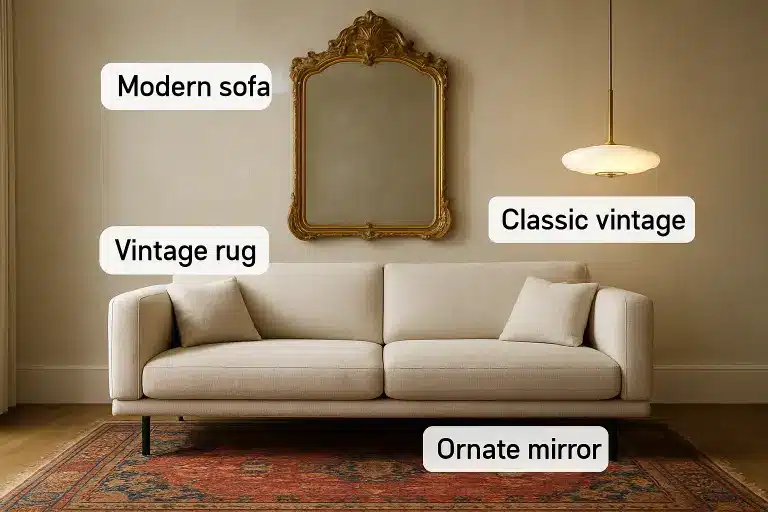
- Selective Integration of Historical Elements: Use cherished pieces, such as a vintage rug or antique mirror, as focal points in modern settings. Let them stand out, inviting history into contemporary rooms without overwhelming the space.
- Modern Interpretation of Classic Materials: Employ natural materials like stone, brass, and polished wood, but use them in streamlined forms or unexpected applications. This juxtaposition respects tradition while injecting contemporary flair.
- Cohesive Color Palettes and Textures: Choose a neutral color scheme to unite periods and styles. Complement with soft textiles and subtle patterns to create visual continuity from one piece to another.
- Innovative Layouts and Design Elements: Merge traditional details, such as wall paneling, wainscoting, or arched doorways, with open floor plans or minimalistic furnishings. Allow ornate details to add architectural interest while modern silhouettes bring clarity and function.
Case Studies: Successful Blending of Styles
Some of the most admired interiors today result from the confident interplay of styles. For example, Christopher Noto, renowned for his mastery of marrying French classics with modern shapes, successfully combines art deco chandeliers and streamlined sofas to create harmonious Parisian abodes. Each space pays homage to architectural authenticity while delivering ease and current appeal.
Similarly, designer Kelly Wearstler is celebrated for combining bold, contemporary art with vintage furniture and stately architectural elements. The end result is always a room that feels curated and transformative.
Techniques for Successfully Blending Traditional and Contemporary Styles
Bringing together different eras smoothly requires intentionality. You need a unifying vision and a sense of what each element contributes to the narrative:
- Create a Design Narrative: Establish a guiding story. How do different pieces relate to the occupant history, the home, or one another? Crafting this narrative makes decision-making about decor and layout easier and more coherent.
- Focus on Scale and Proportion: Consider relative sizes and the spatial relationships between objects. Pair a grand, ornately carved dining table with simplified chairs, or place a delicate antique lamp on a modern, sleek console. Every piece should have room to breathe.
- Incorporate Contrast Thoughtfully: Leverage differences in color, material, or age to energize a room rather than disrupt it. Match contemporary artwork with a traditional Persian rug, or juxtapose minimal fixtures against elaborate backdrops for unexpected visual interest.
- Use Lighting to Bridge the Gap: Combine fixture styles for a seamless blend between old and new. For example, a sculptural, modern pendant above a classic wood table acts as a stylish mediator between periods, tying them together with function and artistry.
- Embrace Customization: When possible, invest in custom pieces that bridge stylistic divides, such as a traditionally upholstered chair in a contemporary silhouette. Bespoke furnishings make the space uniquely yours and reinforce the intended harmony.
The Impact of Blending Styles on Modern Luxury
Today’s concept of luxury in interior design has moved beyond simple displays of wealth. It now values story, craftsmanship, and individual expression. Blending classic and modern elements brings depth and personality to spaces, distinguishing them from the generic. This approach recognizes the luxury in authenticity, making rooms not only beautiful but meaningful to those who use them. Modern luxury is found in the layers of history, comfort, and innovation that shape truly memorable environments.
Final Thoughts
Uniting traditional foundations with contemporary flair is a transformative approach to interior design. When handled with care and intention, the fusion results in homes that are as timeless as they are current. By drawing from history and keeping an eye toward innovation, designers can craft spaces that reflect both heritage and progress, ultimately creating rooms that feel both luxurious and completely personal.