Keeping commercial properties protected from the elements is vital for building owners and facility managers, especially in regions like the Midwest, where severe weather can pose ongoing challenges. Innovations in roofing technology and materials not only help extend the service life of commercial roofs but also reduce maintenance burdens and operational costs. Working with trusted commercial roofers in Kansas City ensures that properties benefit from the latest in roofing advancements, tailored for both durability and efficiency. From the use of resilient membranes to the adoption of smart, technology-driven solutions, today’s commercial roofing systems are more robust and eco-friendly than ever. Modern weatherproofing solutions lower energy costs, improve workplace safety, and meet stricter environmental standards, making them a prudent investment for any business. As building codes and climate realities shift, leveraging advanced materials and systems is essential to maximize return on investment and asset longevity.
Advancements in Roofing Materials
Recent innovations in commercial roofing have focused on materials that offer both protection and energy efficiency. Thermoplastic polyolefin (TPO) and polyvinyl chloride (PVC) membranes have surged in popularity because of their long-term durability and high solar reflectance. These membranes not only fend off hazardous ultraviolet (UV) rays but also withstand chemical exposure, a significant advantage in urban and industrial environments. Their reflective nature helps reduce building cooling loads, thus lowering energy bills and supporting corporate sustainability goals. Other technologically advanced systems, such as EPDM (ethylene propylene diene monomer) rubber roofs and fluid-applied membranes, offer excellent weatherproofing in both cold and hot climates. These solutions adapt flexibly to building movement and thermal expansion, protecting against cracked or split seams and minimizing costly leaks.
Enhanced Safety with Textured Membranes
Safety concerns are top of mind in commercial roofing, particularly during maintenance, repair, and inspection tasks. Textured thermoplastic membranes have emerged as a solution, providing superior traction and significantly reducing slip-and-fall incidents compared to legacy smooth-surfaced systems. This improvement protects roofing professionals and reduces liability, which in turn can help lower insurance premiums over time. As highlighted by the Occupational Safety and Health Administration (OSHA), improving rooftop surface safety is one of the most effective ways to reduce workplace accident rates.
Integration of Smart Roofing Technologies
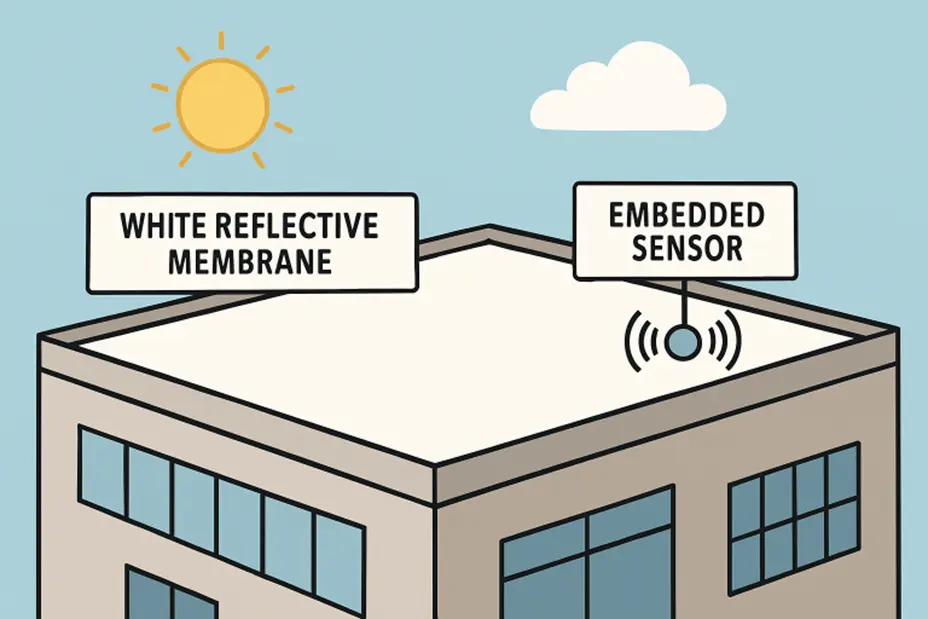
The marriage of digital innovation and traditional construction is reshaping commercial roofing. IoT-enabled sensors embedded in roofing layers can monitor for wet insulation, leaks, or temperature changes, sending alerts to building managers before minor issues escalate into major failures. AI-powered drones conduct precise, thorough roof inspections without needing workers to traverse potentially hazardous areas. These smart systems enable a predictive, rather than reactive, approach to maintenance, helping facility leaders optimize efficiency and reduce costly emergency interventions.
Reflective Roofing for Energy Efficiency
As cities heat up and energy demands spike, the use of white, reflective “cool roofs” is gaining traction across commercial sectors. By reflecting more sunlight, these roofing systems absorb less heat, resulting in lower indoor temperatures and reduced reliance on air conditioning—all while promoting greater comfort for tenants and workers. In metropolitan regions, cool roofs also help alleviate the urban heat island effect, contributing to community-wide efforts to build climate resilience. Buildings equipped with this technology typically benefit from lower utility bills and may qualify for local or federal energy efficiency incentives.
Durability Through Advanced Coatings
Next-generation liquid-applied coatings deliver an additional line of defense against the harshest weather. Engineered for exceptional elasticity and UV resistance, these coatings help commercial roofs resist cracking and deterioration. Some state-of-the-art materials can reduce surface temperatures by as much as 50 degrees Fahrenheit during hot summer afternoons, lowering cooling costs and prolonging the lifespan of roof membranes. These coatings also provide enhanced waterproofing, safeguarding a facility from water infiltration even after years of exposure.
Compliance with Environmental Regulations
Driven by evolving environmental regulations, the roofing sector is innovating rapidly to offer solutions that limit the emission of volatile organic compounds (VOCs) and reduce environmental impact. Materials manufactured under low-VOC guidelines appeal to increasingly eco-conscious property owners and comply with green building certifications, such as LEED. Utilizing such environmentally friendly roofing products supports corporate responsibility goals and fosters a positive public image, setting a business apart in competitive markets.
Conclusion
Commercial roof weatherproofing is no longer just about sealing out rain, as it’s a sophisticated balance of technology, engineering, and sustainability. By integrating the latest materials, safety advancements, and smart technologies, businesses can achieve roofs that are safer, more energy-efficient, and built to last. A proactive approach not only safeguards the property’s value but also aligns with modern requirements for regulatory compliance and environmental stewardship, thereby building resilience for the future.
Also Read-Navigating Property Disputes: Effective Strategies for Homeowners