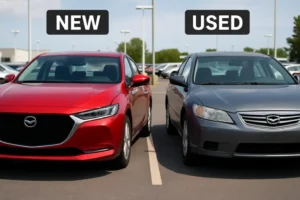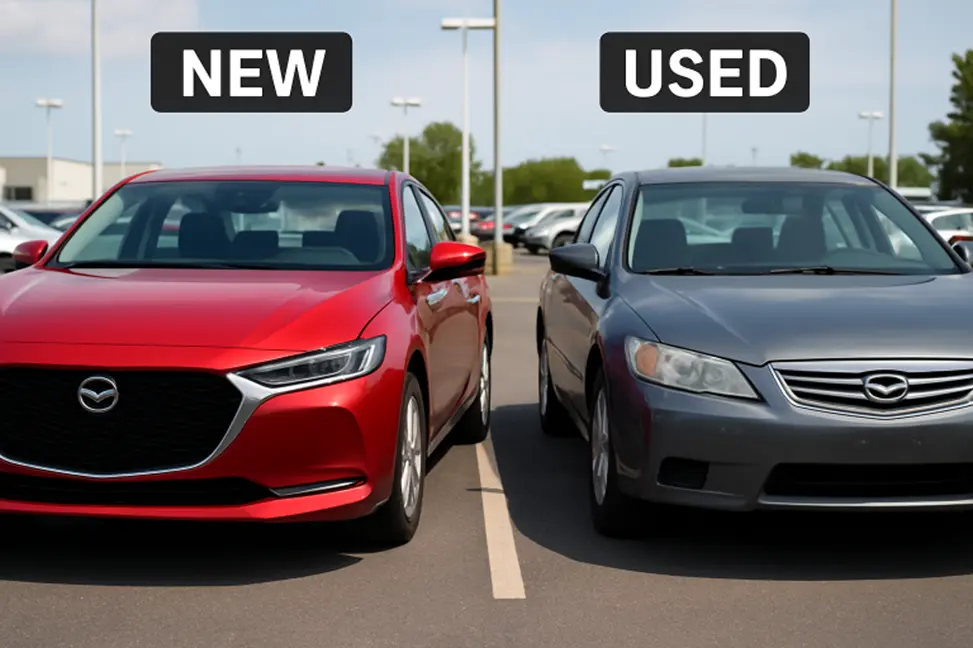
Choosing between a new and a pre-owned vehicle is a decision that can shape your driving experience, impact your finances, and influence your overall satisfaction with your purchase. Each option brings its own set of benefits and challenges, making it important to weigh your priorities carefully. Whether you’re focused on owning the latest model, seeking affordability, or trying to minimize long-term expenses, understanding the differences can help ensure you make the best selection. Learn more
Assessing factors such as purchase price, depreciation, maintenance, and resale value is critical before you commit to a vehicle. With so many choices available on the market, looking into both new and used vehicles helps you find the right fit for your lifestyle, needs, and budget. Ultimately, the right choice depends on what matters most to you: technological upgrades, peace of mind, or cost-effectiveness.
Financial Considerations
The upfront cost is typically the most significant difference between new and used vehicles. New cars command a premium price due to manufacturers’ latest designs, cutting-edge features, and extended warranty coverage. However, this higher price tag can sometimes be offset by lower financing rates and dealer incentives.
Used, or pre-owned, vehicles generally come with a lower sticker price, providing potential buyers with more affordable entry points and often lower registration fees. However, it’s important to note that interest rates for pre-owned vehicle loans tend to be higher than rates for new vehicles. According to recent data from Consumer Reports, average interest rates on used vehicles are frequently several percentage points above those for new cars, which can increase the total cost over time.
New vehicles experience accelerated depreciation, typically losing up to 35% of their value within the first three years of ownership. This rapid decline can be challenging for buyers who plan to trade or sell their car in the near future. Used vehicles, on the other hand, have already absorbed much of this depreciation, resulting in slower depreciation and potentially making them a wiser long-term investment.
However, pre-owned vehicles, especially those that have been well maintained and have detailed service histories, can provide similar levels of reliability at a more affordable price. When considering a used car, it’s essential to research the vehicle’s history and request a professional inspection to avoid inheriting hidden issues.
Technological Features and Safety
New vehicles tend to offer the latest technological advancements, including state-of-the-art infotainment systems, driver-assistance technologies, and improved fuel-efficiency measures. Enhanced safety features such as adaptive cruise control, blind-spot monitoring, and automatic emergency braking are often standard or available as options on the latest models.
While some used vehicles may not include the latest technological or safety features, many models from recent years still offer advanced features and creature comforts. Reviewing your must-have features before shopping will help ensure you do not compromise on technologies that contribute to safety or driving enjoyment.
Environmental Impact
Purchasing a new, fuel-efficient, or electric vehicle can have a positive impact on the environment by reducing emissions and fuel consumption. These benefits are especially notable given the growing number of hybrid and fully electric options available today.
On the other hand, choosing a pre-owned vehicle extends the useful life of existing resources and helps conserve the energy used in new-car production. Proper maintenance of used vehicles can further reduce environmental impact, demonstrating that sustainability is possible regardless of the option you choose.
Insurance Costs
Insurance is typically more expensive for new cars because their replacement value and repair costs are higher. Used vehicles with lower resale values often have lower insurance premiums, which can contribute to considerable long-term savings. It is wise to obtain insurance quotes for both new and used options, as premiums can vary based on vehicle age, safety features, and location.
Financing Options
Financing packages vary greatly depending on whether you choose a new or used car. New vehicles frequently qualify for promotional financing rates or cash-back offers from manufacturers, sometimes making them more accessible despite higher base prices. Used vehicles may come with less favorable financing rates, so researching terms from banks, credit unions, and other lenders can be crucial to securing the best possible deal.
Regardless of which path you choose, it pays to shop around for financing options. Comparing terms, interest rates, and repayment periods can significantly affect the total cost of ownership.
Making the Decision
The decision between a new or pre-owned vehicle is deeply personal and should reflect your budget, desired features, and how long you intend to keep the vehicle. Analyzing the total cost of ownership, reliability, and resale value can provide added clarity. Conducting plenty of research, test-driving several options, and consulting automotive professionals will empower you to make the most informed choice for your circumstances.
Also Read-Future Trends in Emergency Vehicle Technology