Discover tips for choosing the best dental veneer option, ensuring a beautiful, long-lasting smile that fits your unique dental needs.
Ever wondered how celebrities and everyday people alike get those flawless, picture-perfect smiles? The secret often lies in dental veneers – thin shells that transform your teeth’s appearance with precision and artistry. But with several veneer materials and treatment options available, how do you know which one is right for you?
This guide breaks down everything you need to know about choosing the ideal veneer option for your teeth. Let’s dive in!
Understanding What Dental Veneers Are
Dental veneers are thin, custom-made shells that fit over the front surface of your teeth. They are made to improve your smile by fixing issues like discoloration, chips, gaps, and small misalignments.
Veneers are usually crafted from porcelain or composite resin, and each material has its own benefits depending on your goals and budget. Beyond appearance, veneers also protect teeth that have weak enamel or minor damage from everyday wear.
They are carefully designed to look natural and blend with your other teeth. In short, veneers combine science and art to give your smile both strength and lasting beauty.
Why People Choose Veneers
There are plenty of reasons why veneers remain one of the most popular cosmetic dental treatments in the U.S. today. Here are some of the most common motivations behind choosing them:
Enhance Appearance
Veneers give your teeth a bright, natural look. This can make you feel more confident in your smile. A confident smile often improves how you feel around others.
Fix Imperfections
Veneers can cover small chips, cracks, or gaps. They make teeth look even and smooth. This creates a more uniform and attractive smile.
Whiten Resistant Teeth
Some teeth don’t respond well to whitening treatments. Veneers can give these teeth a long-lasting, bright color. This helps achieve a consistent, radiant smile.
Strengthen Enamel
Veneers add a protective layer over worn or slightly damaged teeth. This can reduce further wear and strengthen the tooth surface. With proper care, your teeth stay healthier and look better.
Porcelain vs. Composite Veneers
When choosing veneers, one of the biggest decisions is whether to go with porcelain or composite resin. Let’s look at what makes each unique.
Porcelain Veneers
Porcelain veneers are considered the “gold standard” for cosmetic restoration. They’re durable, stain-resistant, and mimic the translucence of natural enamel beautifully. Advantages include:
- Long-lasting (10-15 years with proper care)
- Highly resistant to stains
- Natural, realistic appearance
- Require less maintenance over time
However, porcelain veneers usually cost more and involve removing a small layer of enamel to bond the veneer properly. Once placed, they cannot be reversed.
Composite Veneers
Composite veneers are made from a tooth-colored resin material similar to what’s used for dental fillings. They can be applied directly in one visit, making them quicker and more affordable. Advantages include:
- More budget-friendly
- Can be repaired easily if chipped
- Often completed in a single visit
- Less enamel removal required
The downside is that composite veneers are more prone to staining and may need to be replaced sooner (typically 5-7 years).
Factors to Consider Before Choosing Veneers
Selecting the right veneer option depends on your dental condition, aesthetic preferences, and lifestyle habits. Here’s what you’ll want to think about before making your decision.
1. Your Dental Health
Veneers work best on healthy teeth and gums. If you have untreated cavities, gum disease, or significant enamel loss, those issues need to be addressed first. Your dentist may recommend additional treatments before applying veneers.
2. The Look You Want
Some people prefer a perfectly white Hollywood-style smile. Others want a more natural tone that matches their facial features. A professional dentist can show you shade guides and examples to help visualize the final look.
3. Budget and Longevity
Porcelain veneers come with a higher upfront cost but tend to last longer. Composite veneers are more affordable but need more maintenance and may require earlier replacement. Think of veneers as an investment in your confidence-sometimes longevity outweighs initial price.
4. Maintenance Habits
Good oral hygiene plays a huge role in how long your veneers last. If you’re committed to brushing, flossing, and avoiding stain-causing foods, porcelain might be ideal. If you prefer lower maintenance or flexibility, composite veneers are a practical choice.
5. Sensitivity Concerns
Because veneers require removing a thin layer of enamel, some people experience temporary sensitivity to hot and cold foods. Discuss this with your dentist beforehand to understand what to expect and how to minimize it.
The Consultation Process: What to Expect
Getting veneers isn’t an overnight decision-it’s a process designed to make sure your results are comfortable, durable, and natural-looking. The process includes:
Initial Evaluation
Your dentist will check your teeth and gums to make sure they are healthy. You will also talk about your goals for your smile. X-rays or impressions may be taken to plan the treatment accurately.
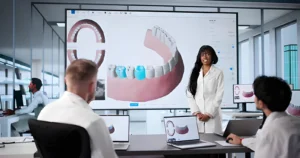
Smile Design
You will review different shapes, sizes, and shades of veneers. The dentist will help you choose options that match your facial features. This step ensures your new smile looks natural and balanced.
Tooth Preparation
A small layer of enamel is removed from your teeth. This makes space so the veneers fit properly. The process is usually quick and causes minimal discomfort.
Impression or Scan
A mold or digital scan of your teeth is made. This is sent to a dental lab to create your custom veneers. The lab uses it to match your teeth’s shape and color perfectly.
Temporary Veneers
Some patients wear temporary veneers while the final ones are being made. They protect your teeth and let you see how your new smile will look. These are comfortable and help maintain appearance.
Final Placement
Once your veneers are ready, the dentist bonds them to your teeth. Each veneer is carefully adjusted for bite and fit. The result is a natural-looking, confident smile.
A skilled dentist specializing in effective cosmetic dentistry can help ensure this process is smooth, precise, and tailored to your needs.
Common Misconceptions About Veneers
Despite their popularity, veneers still come with a few myths. Let’s clear up the most common ones.
“Veneers Look Fake”
Modern veneers are highly customized. With today’s technology, they’re nearly indistinguishable from natural teeth. The key is choosing an experienced cosmetic dentist who can match the right color and contour.
“They Damage Your Teeth”
When done correctly, veneers protect your teeth from extra wear. Only a small amount of enamel is removed, which does not hurt the tooth’s strength. Proper care and professional placement keep your teeth safe.
“Veneers Are Only for Celebrities”
Good-quality porcelain veneers can last ten years or more with proper care. Their lifespan depends on brushing, flossing, and regular dental checkups. Taking care of them helps keep your smile looking great for a long time.
“They Don’t Last Long”
High-quality porcelain veneers can last ten years or more when cared for properly. Their lifespan depends on how well you brush, floss, and visit the dentist regularly. With good care, veneers can keep your smile looking great for many years.
Caring for Your Veneers
Even though veneers are durable, they still need daily care to stay beautiful and functional.
Practice Consistent Oral Hygiene
Brush your teeth at least twice a day and don’t forget to floss. Keeping your mouth clean helps your veneers last longer and prevents plaque buildup. Use a soft brush and a non-abrasive toothpaste to avoid scratching their surface.
Avoid Hard Foods and Bad Habits
Chewing on ice, hard candies, or pen tips can cause small cracks in your veneers. Using your teeth to open packages can also wear them down over time. Try replacing these habits with safer ones, like using scissors or chewing sugar-free gum instead.
Limit Stain-Causing Foods
Dark drinks like coffee, tea, and red wine can slowly dull your veneer’s shine. Tobacco products can also leave stains that are tough to remove. Porcelain veneers resist most discoloration, but it’s still smart to enjoy these items in moderation.
Schedule Regular Dental Checkups
Your dentist should see you at least twice a year for cleanings and exams. These visits help catch early signs of wear or minor issues before they become big problems. Routine care keeps your veneers strong, bright, and comfortable for years to come.
Are You a Good Candidate for Veneers?
Not everyone is an ideal candidate for veneers. You may be a great fit if you:
- Have healthy teeth and gums
- Want to correct cosmetic imperfections
- Avoid teeth grinding
- Maintain oral hygiene
If you tend to grind your teeth at night (a condition called bruxism), your dentist may recommend wearing a night guard to protect your veneers from cracking or wear.
The Cost of Dental Veneers
The price of veneers can vary widely depending on where you live, your dentist’s expertise, and the material used. On average:
- Porcelain veneers: $900-$2,500 per tooth
- Composite veneers: $400-$1,500 per tooth
While that may seem like a big investment, veneers are one of the most reliable long-term solutions for improving your smile. When cared for properly, they can last for years, providing both beauty and functional support.
The Benefits Go Beyond the Smile
While the main goal of veneers is aesthetic improvement, many patients notice unexpected benefits after their treatment:
Boosted Confidence
A brighter, more even smile can make people feel more confident. This confidence often shows in social gatherings and at work. Feeling good about your teeth can improve how you interact with others.
Improved Oral Hygiene
Once people get veneers, they usually pay more attention to their oral care. Brushing and flossing become more consistent habits. This helps keep both natural teeth and veneers healthy for longer.
Balanced Bite and Function
Veneers can help adjust small bite issues without major dental work. This can make chewing food easier and more comfortable. They may also improve speech by supporting proper tooth alignment.
Alternatives to Veneers
Veneers are just one of several cosmetic options available. Depending on your dental goals, you may want to explore other treatments as well:
Teeth Whitening
If discoloration is your biggest concern, professional whitening can quickly refresh your smile. It removes deep stains that regular toothpaste can’t reach, giving your teeth a brighter appearance almost instantly. This option works best for people with healthy enamel and minimal dental restorations.
Dental Bonding
Bonding uses a tooth-colored resin to fill chips, close gaps, or fix minor cracks. The dentist carefully shapes and polishes the resin so it blends naturally with your existing teeth. It’s affordable and simple, but the material may wear down faster than veneers over time.
Orthodontics
When alignment is the main issue, orthodontic treatments like braces or clear aligners can move your teeth into a balanced position. Correcting crooked or crowded teeth first often leads to better long-term results. Once alignment is improved, veneers can then be used for finishing touches.
Crowns
Crowns cover the entire tooth surface, offering more strength and protection than veneers. They’re often recommended when a tooth is broken, severely worn, or has large fillings. Although more invasive, crowns restore both appearance and full function to damaged teeth.
The Future of Veneers
Dental veneer technology continues to improve. Advances in digital scanning, 3D printing, and stronger materials have made veneers more natural-looking and precise than ever before.
Modern techniques require less enamel removal, and new ultra-thin designs offer comfort with minimal invasiveness. This evolution means more people can enjoy the benefits of veneers without sacrificing natural tooth structure-making them an even more appealing choice for long-term smile enhancement.
Bringing It All Together
Choosing the right dental veneer option is about balancing aesthetics, durability, and personal comfort. Porcelain veneers deliver unmatched beauty and longevity, while composite veneers offer flexibility and affordability.
The best way to decide? Consult with a skilled cosmetic dentist who can evaluate your goals, explain your options, and design a treatment plan tailored to you.
Your perfect smile isn’t about copying someone else’s-it’s about creating one that feels authentically yours.
Ready to Transform Your Smile?
If you’re ready to take the next step toward a confident, lasting smile, talk to a trusted professional who specializes in effective cosmetic dentistry. A personalized consultation will help you explore the best veneer options and guide you through every step of the journey. Because when your smile feels right, everything else follows.
Is this article helpful? Keep reading our blog for more.
Also Read-Navigating Health Awareness for Seniors: Key Strategies