Key Takeaways
- Immediate action during plumbing emergencies can prevent substantial damage and expenses.
- Familiarity with your plumbing system allows for quicker, more informed responses.
- Routine inspections and maintenance are critical for reducing the risk of unexpected plumbing failures.
Plumbing emergencies can turn a normal day upside down, leading to costly repairs and damage if not handled swiftly. Quick thinking and decisive action can protect your property and finances. Whether you’re a homeowner or renter, learning the proper steps to take is crucial when disaster strikes. If you ever find yourself facing a burst pipe or overflowing toilet, don’t panic—there are concrete measures you can take while waiting for Monroe emergency plumbing services in West to arrive. This guide outlines essential responses to common plumbing crises that could save money, time, and stress.
Understanding your home’s plumbing system, acting fast, and knowing when to call professionals are important skills. With a bit of preparation, you can minimize damage and keep your family safe until expert help arrives. By following a few essential guidelines, you can react to emergencies confidently and effectively.
Recognize the Signs of a Plumbing Emergency
The sooner you spot trouble, the better your chances of limiting water damage. According to insights shared in a USA Today feature on the connection between plumbing issues and health risks, homeowners often overlook early signs until the problem becomes severe. Common warning signs include water stains on ceilings or walls, unexpected puddles on the floor, gurgling drains, unpleasant odors, or a sudden drop in water pressure. Ignoring these indicators can lead to more serious problems, such as major leaks, flooding, or structural damage.
Unusual pipe noises such as banging, clanking, or hissing may signal a damaged pipe or an impending failure. Keep an eye on your water bill as well; unexplained spikes can point to hidden leaks you may not see. Identifying these clues early lets you act quickly before a minor concern becomes a plumbing emergency.
Shut Off the Water Supply
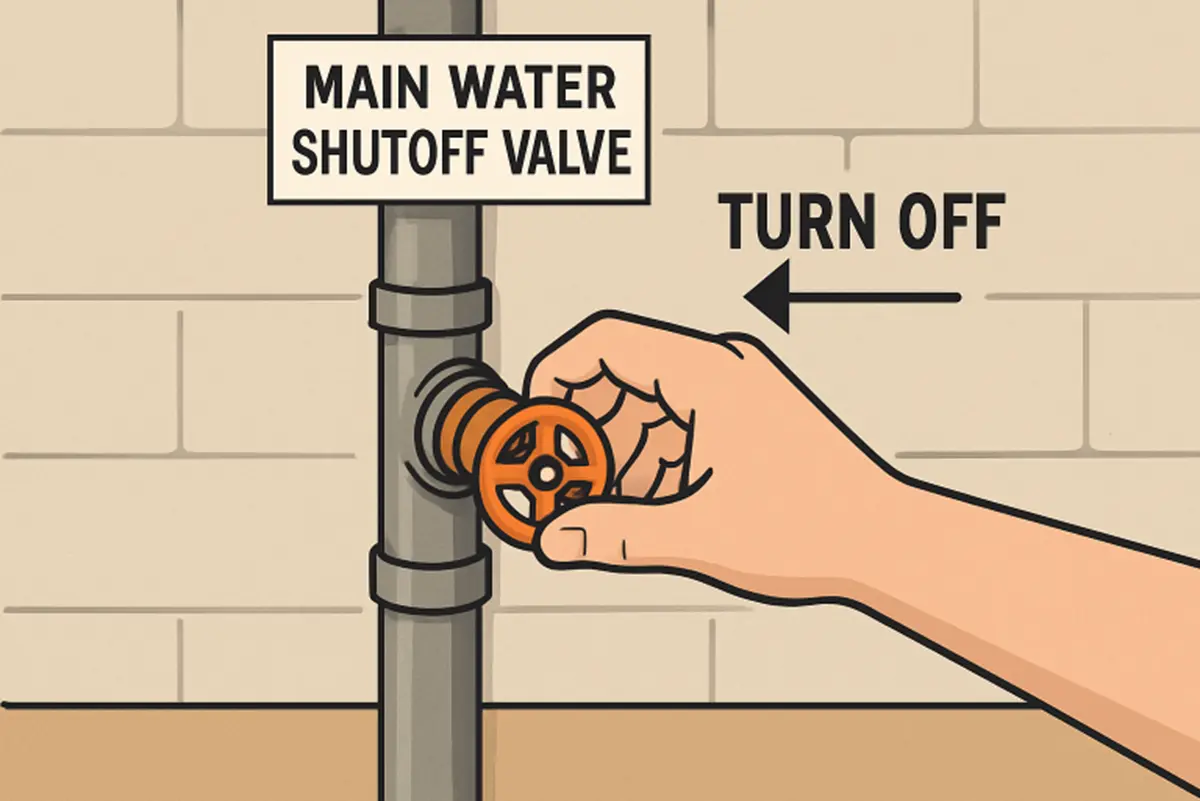
The most critical first step in any plumbing emergency is stopping the water source. Knowing the location of your main water shutoff valve is vital—it’s generally found where your main water line enters the house, often near the water meter or in the basement. For smaller, localized leaks (such as an overflowing toilet), use shutoff valves near the affected fixture. Acting swiftly can limit the extent of flooding and reduce repair costs.
If you don’t already know where these valves are, take a moment before an emergency to locate them and ensure all household members understand how to use them. Practice is key to a quick response.
Address Electrical Hazards
Water can quickly turn a plumbing emergency into an electrical disaster if it comes into contact with outlets, wiring, or appliances. Whenever you see water pooling near electrical items, turn off the power at your home’s circuit breaker, not just at the device itself. This reduces the risk of shock, injury, or even fire.
Never wade through standing water to reach your electrical panel—if it isn’t safe to access the breaker, wait outside and call professionals. Safety always comes first in these scenarios.
Contain and Remove Standing Water
Once the water has stopped flowing, start cleaning up immediately. Use towels, buckets, mops, or a wet/dry vacuum to soak up standing water and prevent further damage or mold and mildew growth. Place containers under ongoing drips to catch water and limit exposure until repairs can be made.
Open windows and use fans to help dry the area, if possible. Effective cleanup also curtails the risk of slippery surfaces and additional household hazards.
Contact a Professional Plumber
Not all plumbing emergencies can be solved with a plunger or wrench. For significant leaks, burst pipes, sewer line backups, or anything beyond your DIY ability, contact a certified plumber immediately. Be prepared to describe the problem clearly—include where the water is coming from, how much has leaked, and any previous attempts at a fix. This streamlines the plumber’s assessment and brings you closer to a solution.
Document the Damage
Careful documentation is vital for insurance claims. Use your phone to take photos or videos of all affected areas, focusing on the source of the leak, water stains, soaked furnishings, and any ruined possessions. Save receipts for emergency repairs and cleanup materials as well. Clear evidence strengthens your case and speeds up reimbursement from your insurer.
Prevent Future Emergencies
Preventive maintenance is your best defense against surprise plumbing crises. Regularly check pipes for corrosion, leaks, or signs of wear. Avoid flushing inappropriate items down toilets or pouring grease down kitchen drains, as these behaviors often cause clogs and backups. Consider scheduling yearly inspections with a plumbing professional to spot vulnerabilities early.
For homeowners, proactively winterizing your pipes can also prevent freezing and bursts during colder months.
Stay Informed and Prepared
Take time to educate your entire household about the location of main and fixture shutoff valves and the basics of emergency plumbing response. Keep a list of emergency contacts, including a trusted local plumber, handy. Regularly review these plans so everyone feels confident and capable in the event of a crisis.
Staying alert to risks and acting quickly when plumbing trouble erupts can mean the difference between minor inconvenience and major repairs. With the proper knowledge and preparation, you can keep your home—and your peace of mind—intact when plumbing emergencies strike.
Also Read-Innovations in Valve Technology for Industrial Applications