Remember those futuristic movies from the 1980s and 1990s where characters interacted with wall-mounted computers, voice-activated homes, and portable communication devices? What seemed like pure science fiction then has become our everyday reality. Yet there’s one crucial element that filmmakers rarely highlighted but engineers obsessed over: electrical safety. The sleek smartphones, smart home systems, and electric vehicles we use today exist not just because of advances in computing and design, but because of parallel revolutions in electrical protection technology. Without robust safety standards and devices like circuit breakers, our modern connected lifestyle would be impossible—or dangerously impractical.
The Evolution of Electrical Protection in a Connected World
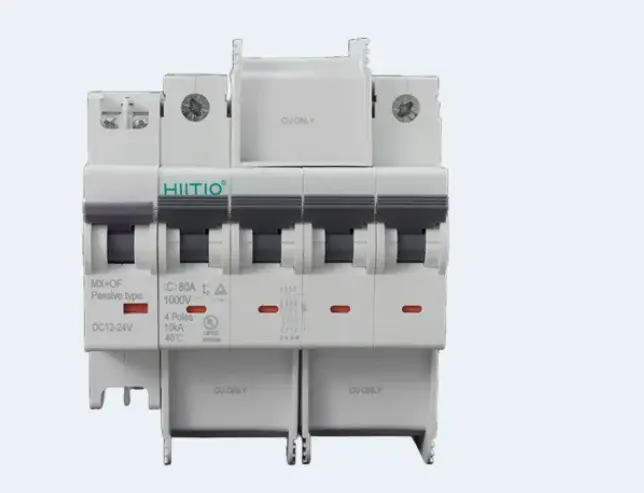
The transformation from standalone appliances to interconnected smart devices has fundamentally changed how we approach electrical safety. Decades ago, a home might have a refrigerator, a television, and a few lamps—each operating independently. Today’s homes contain dozens of smart devices, charging stations, computers, and IoT gadgets all drawing power simultaneously and communicating through complex networks. This proliferation of electronics, particularly those powered by DC (direct current) systems, has driven innovation in protection devices. Modern UL489 DC miniature circuit breakers represent the cutting edge of this evolution, protecting the solar panels, battery systems, and DC-powered devices that increasingly define our energy landscape.
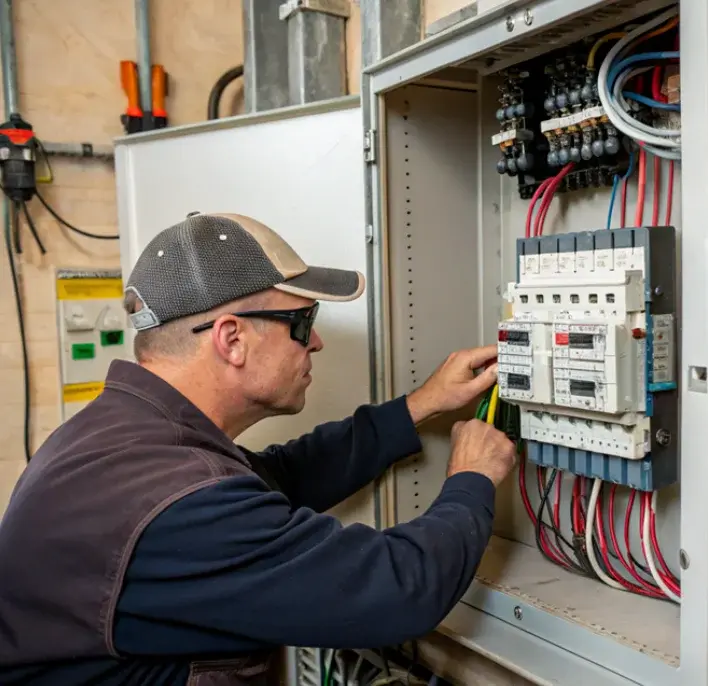
The challenge for electrical safety engineers has been matching protection technology to the rapid pace of consumer electronics innovation. As devices became smaller, more efficient, and more numerous, protection systems had to evolve accordingly. Understanding the difference between UL-489 and UL-1077 standards illustrates this evolution perfectly—these standards developed to address different levels of electrical protection needs as our devices and systems grew more sophisticated. The circuit breaker protecting your home’s electrical panel represents decades of engineering refinement, ensuring that your smart home doesn’t become a fire hazard despite the extraordinary electrical demands we now place on residential systems.
How Safety Standards Enable Modern Innovations
Consider some technologies that have transitioned from science fiction to daily reality, and the safety considerations that made each possible:
Electric vehicles: Science fiction writers imagined electric cars for over a century, but only recently did they become practical. This required revolutionary advances in battery technology, yes, but equally critical were sophisticated electrical protection systems. Modern EVs contain intricate networks of high-voltage DC systems, charging circuits, and power management electronics—all requiring multiple layers of protection to prevent fires, shocks, and system failures.
Solar power systems: The dream of homes powered by sunlight is now reality for millions. Behind every rooftop solar installation is a complex electrical protection architecture managing DC power generation, battery storage systems, and AC conversion. Specialized circuit breakers protect these systems from overcurrent, short circuits, and arc faults that could otherwise turn sustainable energy into a fire risk.
Smart home ecosystems: Voice-controlled lights, automated thermostats, security cameras, and connected appliances have made the “house of the future” a present reality. Each smart device represents a potential electrical load and fire risk, making comprehensive circuit protection essential for safe operation.
Wireless charging and USB-C power delivery: The elimination of dozens of proprietary chargers in favor of universal charging standards seemed impossible just years ago. These systems deliver varying voltage and current levels safely because of sophisticated protection circuits built into both the power sources and devices.
The Invisible Safety Layer
Most people never think about the electrical protection systems that make modern life possible—which is exactly the point. Good safety engineering is invisible until something goes wrong. Every time you plug in your laptop, connect your phone to a charger, or start your electric vehicle, you’re relying on multiple protection layers:
Primary protection: Circuit breakers in your main electrical panel protect against overloads and short circuits in branch circuits, preventing wire overheating and electrical fires.
Secondary protection: Many devices contain internal overcurrent protection, thermal cutoffs, and ground fault protection as backup layers.
Active protection systems: Modern electronics include sophisticated power management circuits that monitor voltage, current, and temperature in real-time, shutting down before damage occurs.
Standards compliance: Every electrical device sold legally in developed markets must meet safety standards that dictate design requirements, testing protocols, and protection features.
This multilayered approach means that failures rarely cascade into disasters. When one protection layer fails, others compensate, preventing the kinds of electrical catastrophes that were common in the early days of electrification.
Real-World Examples of Protection in Action
The importance of electrical safety becomes clear when examining specific scenarios:
Home office setup: A typical home office today might include a computer, multiple monitors, external hard drives, a printer, charging docks for phones and tablets, LED lighting, and perhaps a space heater. This concentration of electrical loads in one room would have overwhelmed circuits from just a generation ago. Modern circuit protection allows safe operation while preventing overloads.
Kitchen appliances: Contemporary kitchens contain a remarkable array of electrical devices—from refrigerators with computers managing temperature zones to induction cooktops that precisely control electromagnetic fields. Ground fault circuit interrupters (GFCIs) and arc fault circuit interrupters (AFCIs) provide specialized protection in these high-risk, high-moisture environments.
Electric vehicle charging: Charging an EV at home can draw as much power as running your air conditioning, water heater, and dryer simultaneously. Dedicated EV charging circuits with appropriate overcurrent protection make this safe, preventing the circuit overloads that would otherwise occur.
Renewable energy integration: Homes with solar panels and battery backup systems manage bidirectional power flow—sometimes drawing from the grid, sometimes feeding power back to it. This complexity requires sophisticated protection coordination to ensure safety under all operating conditions.
Looking Forward: The Next Generation of Electrical Safety
As we continue transforming science fiction into reality, electrical safety technology must advance in parallel. Several emerging trends will shape the next generation of protection:
Artificial intelligence integration: Smart circuit breakers that learn your electrical usage patterns and predict potential problems before they occur are already in development. These systems could distinguish between normal operation and early signs of electrical faults with unprecedented accuracy.
Miniaturization: As devices become smaller and more efficient, protection systems must shrink accordingly without sacrificing capability. Advances in materials science and semiconductor technology are enabling circuit protection devices a fraction of the size of previous generations.
Enhanced DC protection: The growing prevalence of DC systems—from solar installations to electric vehicles to computer networks—is driving innovation in DC circuit protection, historically less developed than AC protection.
Wireless monitoring: Circuit breakers that communicate their status, electrical loads, and health metrics to smartphones and home automation systems will provide unprecedented visibility into electrical system operation.
The Takeaway for Consumers
Understanding the electrical protection systems in your home empowers you to make better decisions about electrical safety, renovation planning, and device usage. While you don’t need to become an electrical engineer, recognizing that circuit breakers, GFCIs, AFCIs, and other protection devices are active safety systems—not just switches—helps you appreciate their importance.
When planning home improvements, adding major appliances, or installing new technologies like EV chargers or solar panels, consult with licensed electricians who understand modern protection requirements. The circuit protection systems installed today must handle not just current electrical loads but the emerging technologies you’ll adopt in coming years. The future we once imagined is now our present reality, made safe through the often-invisible electrical protection systems that evolved alongside our connected devices.
Also Read-Future Trends in Emergency Vehicle Technology