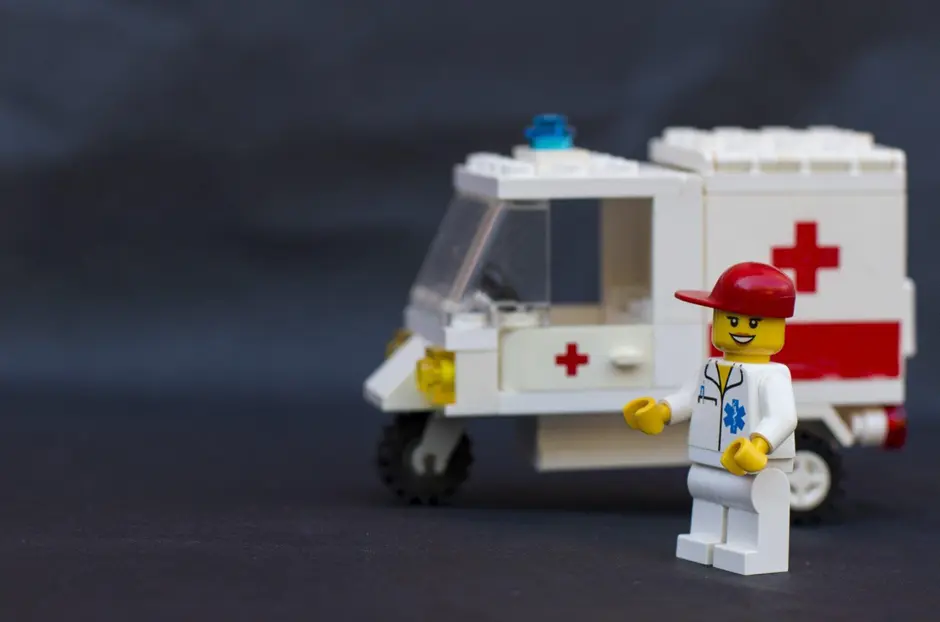
Did you know that the global first aid market is projected to reach $6.18 billion by 2030? This shows the growing awareness of how important basic first aid skills have become.
In emergency situations, every second counts. Having the right first aid knowledge can make a big difference. This skill gives you confidence when something unexpected happens.
In this article, you will discover why first aid knowledge matters in everyday life. You will learn how basic skills can help you respond with confidence. Continue reading to learn more.
Essential First Aid Skills Everyone Should Learn
While every first aid kit needs basic supplies, the real value comes from knowing how to use them well. Here are some critical skills that everyone should have:
CPR (Cardiopulmonary Resuscitation)
CPR is a skill that can help keep someone alive during a cardiac emergency. It uses steady chest compressions to keep blood flowing. Learning this skill gives you calm confidence in stressful moments.
You can practice CPR with simple step-by-step instructions. Many people learn the basics in just a short training session. A little practice can make you feel ready to help when needed.
CPR works best when it is started right away. Your quick action can make a huge difference. Every effort you make helps someone hold on until professionals arrive.
Choking Relief
Knowing how to help someone who is choking is an important skill. The Heimlich maneuver is easy to learn for adults and older kids. It gives you a safe way to help when someone cannot breathe.
Choking looks scary, but calm action makes a big impact. A firm push or thrust may clear the airway quickly. Even small steps can help someone catch their breath again.
Infants need a gentler method for choking relief. Their technique uses soft back blows and careful chest pushes. Learning both methods helps you stay ready for any situation.
Wound Care
Good wound care helps stop infections before they start. You begin by cleaning the area with gentle care. Simple steps like these make healing smoother and safer.
Dressing a wound keeps it clean and protected. A clean bandage supports faster healing. It also helps the person feel more comfortable.
Burns, scrapes, and cuts all need different care. Knowing these differences helps you treat them correctly. Your attention can make someone feel safe and cared for.
Recognizing Stroke Symptoms
The FAST acronym is an easy way to spot stroke signs. It reminds you to check the face, arms, and speech. Quick action is everything during a stroke.
Time matters more than anything during a stroke. Calling for help right away can save brain function. Every minute truly counts in these moments.
Learning the signs helps you stay alert. You can notice small changes that others may miss. Staying aware helps someone get treatment faster.
Managing Allergic Reactions
Allergic reactions can appear suddenly and progress quickly. Knowing the signs helps you act without hesitation. Your awareness can keep someone safe.
An EpiPen is simple to use when you know the steps. A quick injection can stop symptoms from getting worse. This tool gives you strong support during emergencies.
Some reactions need medical help right away. Calling for assistance ensures proper care. Acting early helps prevent serious complications.
Basic Life Support
Basic Life Support skills help you respond to many urgent situations. These skills teach you how to help someone unconscious or injured. You become a steady helper in tough moments.
BLS covers breathing support and safe positioning. These steps help stabilize someone until help arrives. Your calm actions give comfort and safety.
With BLS training, you feel more confident. You know what to do when others feel unsure. This knowledge helps you take charge during emergencies.
Preparing for First Aid Emergencies
Preparation is key to responding positively in emergencies. Here’s how to get started:
Take a Course
Taking a first aid course is a great way to build real confidence. These classes teach you important skills in a clear and simple way. You walk out feeling more prepared for emergencies.
Certified programs give you hands-on practice with real techniques. You learn how to stay calm while helping someone in need. This experience makes a big difference when every second matters.
American Heart Association CPR courses offer trusted training. They explain the science behind each skill in an easy style. Their guidance helps you feel ready for any situation.
Assemble a First Aid Kit
Every home should have a first aid kit that is easy to access. A good kit helps you handle small injuries quickly. It brings peace of mind during unexpected moments.
Your kit should include simple items like bandages and antiseptics. Gauze, gloves, and scissors are also important tools. A CPR mask adds an extra layer of safety.
Keeping your kit stocked makes life easier. Replace used items right away so nothing is missing. A ready kit helps you act fast when needed.
Practice Regularly
Regular practice helps your skills stay sharp. Repeating the steps makes them easier to remember. You feel more confident each time you review them.
Mock drills are a fun way to learn with others. You can practice with friends or family in a relaxed setting. Everyone benefits from knowing what to do.
Hands-on practice makes first aid feel natural. You move more smoothly and think more clearly. These small efforts make a big difference during emergencies.
Stay Informed
First aid recommendations change as experts learn more. Staying informed keeps your skills up-to-date. It helps you respond most safely.
Reputable organizations share new guidelines often. You can follow them online for quick updates. These tips help you stay prepared all year.
Learning new information boosts your confidence. You feel ready for situations you may not expect. Knowledge always works in your favor.
Prepare for Emergencies with Confidence
Having first aid knowledge helps you stay calm during tough moments. These skills give you peace of mind when something unexpected happens. Learning them makes you feel more ready to help yourself and others.
Investing in your training turns fear into confident action. You gain the ability to step in when someone needs support. Starting this journey brings you closer to becoming a capable first aid responder.
Was this helpful? If so, please keep browsing our site to find more useful information!
Also Read-Sell Your Home Quickly: Choosing the Right Cash Home Buyers