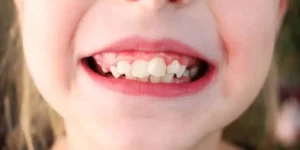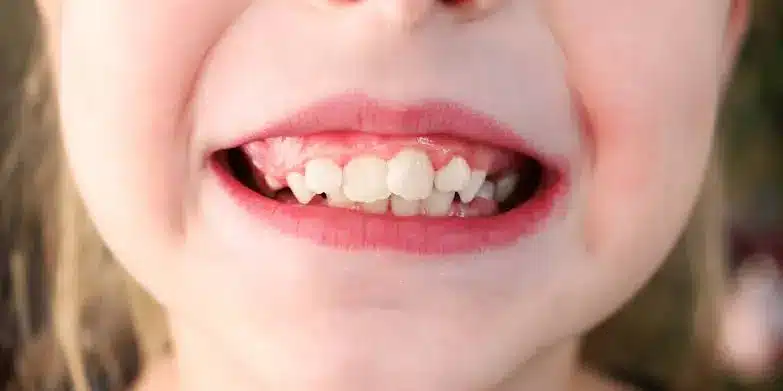
Few moments feel as big to a kid as losing that first wiggly tooth. There’s the gap-toothed school photo, the visit from the tooth fairy, and then, a few months later, new adult teeth that seem to arrive at odd angles. If you’ve noticed overlapping or twisted front teeth, you’re far from alone. Understanding why crowded teeth in kids develop can make the road ahead feel much less confusing.
For parents in Longview, TX, Goodland Dentistry & Braces offers a closer look at what’s happening beneath the surface. In most cases, crowding comes down to a mismatch between tooth size and the room available in the jaw. The fuller picture involves growth patterns, family traits, and a few common childhood habits.
The Short Version for Busy Parents
- Crowding happens when incoming adult teeth need more space than a child’s jaw currently has.
- Inherited traits, early tooth loss, and certain oral habits can all contribute.
- A bit of unevenness during the switch to permanent teeth is common and sometimes settles on its own.
- An orthodontic check around age 7 helps catch issues while growth can still be guided.
- Healthy habits at home give developing teeth a stronger foundation.
What Causes Crowded Teeth as Children Grow?
Most crowding happens because permanent teeth need more room than the jaw provides. When parents ask what causes crowded teeth, the honest answer is that several factors usually work together rather than one single cause.
How Does Jaw Growth Affect Tooth Spacing?
Jaws grow in spurts throughout childhood, and they don’t always keep pace with the teeth coming in. Adult front teeth are noticeably larger than the baby teeth they replace, so they need extra room right away. If the upper or lower jaw is narrow or develops more slowly, new teeth may rotate, overlap, or tuck behind their neighbors just to fit.
Can Crowding Run in the Family?
Yes, genetics plays a real role. Children inherit jaw size and tooth size from their parents, and those traits don’t always come from the same side of the family. A child might end up with larger teeth from one parent and a smaller jaw from the other. If a parent or sibling needed braces, it’s worth watching your child’s smile a little more closely.
Do Tooth Size, Early Tooth Loss, and Habits Matter?
They can. Some kids simply have wider teeth relative to the curve of their jaw. Others lose a baby tooth early to decay or injury, which lets nearby teeth drift into the gap and block the permanent tooth waiting underneath. Long-term thumb sucking, extended pacifier use, and mouth breathing can also influence how the jaw and palate take shape.
Is Some Crowding Normal in Young Children?
Often, yes. In the early grade-school years, it’s common for new front teeth to look crooked or bunched while the jaw catches up. For plenty of crowded teeth kids, that unevenness eases as more baby teeth fall out and the jaw continues developing.
Small gaps between baby teeth are actually a good sign, since they leave room for the bigger permanent teeth. A tight row of baby teeth with no spaces at all can be an early hint that crowding may show up later.
The tricky part is that parents can’t always tell temporary crowding from a pattern that will need help. That’s where a professional opinion becomes useful.
When Should Crowded Teeth Kids See an Orthodontist?
The American Association of Orthodontists recommends a first orthodontic check around age 7. By then, most children have a mix of baby and permanent teeth, so an orthodontist can see how the bite is developing and whether space will become an issue.
You don’t need to wait for that birthday, though. Consider scheduling a visit sooner if you notice:
- Front teeth that overlap, twist, or sit behind other teeth
- Baby teeth falling out much earlier or later than expected
- Permanent teeth erupting behind baby teeth that haven’t come out yet
- Top teeth that sit inside the bottom teeth when your child bites down
- A jaw that shifts to one side or makes clicking sounds
- Frequent cheek biting or trouble chewing comfortably
None of these signs confirms a problem. They’re simply good reasons to have a specialist take a look.
What Happens During a Child’s Orthodontic Evaluation?
An orthodontic evaluation is a relaxed, information-gathering visit. Here’s what families can typically expect:
- Before the visit: Jot down anything you’ve noticed, like crooked teeth or trouble chewing. Be ready to share your child’s dental history, any habits such as thumb sucking, and whether family members had orthodontic treatment.
- During the evaluation: The orthodontist examines your child’s teeth, jaws, and bite, often using photos and X-rays. They’ll check how the upper and lower teeth meet, measure the space available, and assess how the jaws are growing. There’s no drilling or needles involved.
- Afterward: You’ll talk through the findings together. Some children only need periodic monitoring. Others may benefit from early treatment, such as an expander to widen a narrow upper jaw or a space maintainer to hold room for a permanent tooth.
Why Does Early Attention to Crowding Matter?
Catching crowding early gives an orthodontist more options. While a child is still growing, it’s possible to guide jaw development and create room for incoming teeth, which may reduce how much treatment is needed later. That doesn’t mean all kids with crowded teeth need braces at age 7, only that a plan can be made at the right time.
Leaving significant crowding alone isn’t an emergency, but it can create everyday challenges. Tight, overlapping spots tend to trap plaque, raising the chance of cavities and gum irritation. Uneven bites can also put extra wear on certain teeth over the years.
When you’re looking for reliable orthodontic care for children with crowded teeth, choose a team that explains its findings clearly, involves you in decisions, and recommends treatment only when it fits your child’s growth.
How Can Parents Support Healthy Tooth Development at Home?
You can’t change genetics, but daily routines help protect the space adult teeth will need. A few simple steps make a difference:
- Keep baby teeth healthy with twice-daily brushing and daily flossing, since they act as placeholders for permanent teeth.
- Gently encourage your child to move away from thumb or pacifier habits as they get older.
- Mention frequent snoring or open-mouth breathing to your pediatrician, since airway concerns can affect jaw growth.
- Keep up with routine dental checkups so small changes don’t go unnoticed.
These habits won’t prevent every case of crowding, but they give a growing smile a healthier starting point.
Giving Your Child’s Smile Room to Grow
Crowding is common, and it’s usually the result of growth, genetics, and timing rather than anything a parent did wrong. For crowded teeth in kids, the most helpful next step is a timely evaluation that shows whether to watch and wait or begin early care.
Partnering with an orthodontist in Longview, TX, like the team at Goodland Dentistry & Braces, means your child’s development can be tracked over time. That way, any treatment happens when it will do the most good.
Book Your Child’s Orthodontic Visit in Longview
Curious about how your child’s teeth are coming in? Call Goodland Dentistry & Braces at (903) 476-6314 or visit the office at 710 Estes Drive, Longview, TX 75602 to schedule an orthodontic evaluation.
Also Read
- How AI Is Revolutionizing Video Editing, Photo Editing, and Digital Content Creation
- How Maryland Heat Waves Stress Air Conditioning Systems
- How tech became the real engine behind online sports betting