In severe injury situations, controlling bleeding is one of the most important steps in providing life-saving first aid. While applying pressure to a wound can stop many types of bleeding, there are situations where a tourniquet is necessary. Tourniquets are powerful tools that, when used correctly, can save lives by stopping severe blood loss from injuries to the arms or legs.
Knowing when and how to use a tourniquet is critical knowledge for anyone interested in providing first aid in emergency situations. Learning this skill can make the difference in life-or-death scenarios, especially when professional medical help is not immediately available.
To learn more about the skills and techniques for severe injury first aid, including the proper use of a tourniquet, more info is available through a comprehensive certification course.
When Should You Use a Tourniquet?
A tourniquet should be used only in specific circumstances when it’s necessary to stop life-threatening bleeding. It’s crucial to understand when to apply one and when other methods should be used. Here are the key situations where a tourniquet is appropriate:
- Severe, Uncontrollable Bleeding:
If you’re dealing with an injury where the bleeding cannot be controlled by applying direct pressure, a tourniquet may be necessary. This typically happens with injuries to large blood vessels in the limbs, like the femoral or brachial artery. - Extremity Injuries with Arterial Bleeding:
If the person has a severe injury to the arm or leg and the bleeding is spurting or pulsing, a tourniquet may be needed. Arterial bleeding is often bright red and pulsates in rhythm with the heartbeat, making it difficult to control with pressure alone. - When Professional Help Is Delayed:
If professional medical help is not immediately available, and the bleeding is life-threatening, using a tourniquet can help control blood loss until paramedics or doctors can provide further treatment. - Multiple Injuries or Widespread Trauma:
In some cases, a person may have multiple injuries or be unable to apply pressure to stop bleeding in more than one area. A tourniquet can help control bleeding in one or more of the affected limbs. - Amputations or Severe Limb Damage:
When someone has a traumatic amputation or severe damage to a limb (for example, from an accident or explosion), a tourniquet may be the only option to stop the bleeding effectively.
How to Use a Tourniquet Correctly
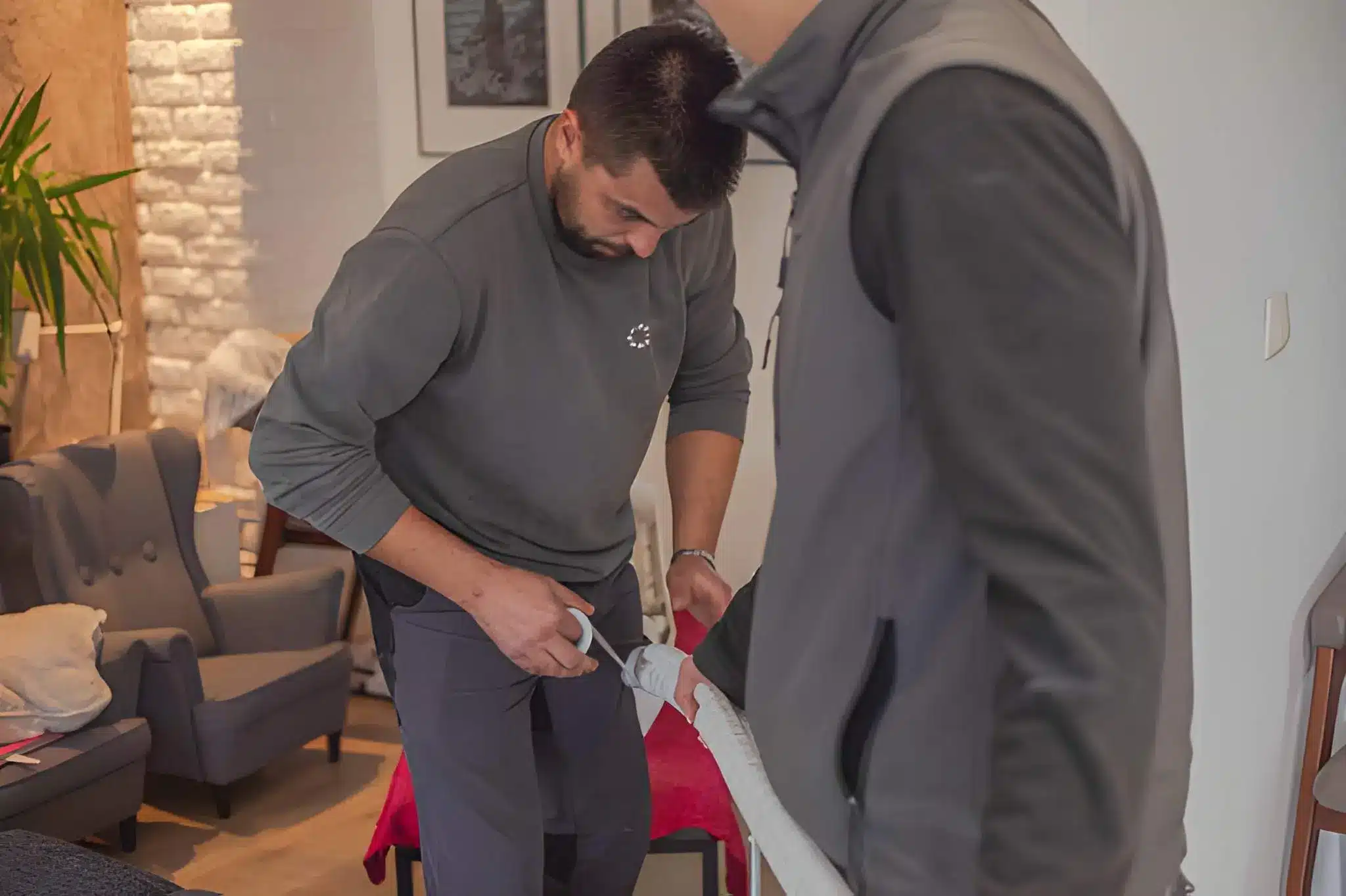
Using a tourniquet incorrectly can cause further injury, so it’s important to know exactly how to apply one. Here’s a step-by-step guide on how to use a tourniquet effectively:
Step 1: Assess the Bleeding
Before you apply a tourniquet, quickly assess the severity of the bleeding. If the bleeding is severe and cannot be controlled with direct pressure, then you should consider using a tourniquet.
Step 2: Gather the Right Equipment
Use a commercially available tourniquet (e.g., CAT Tourniquet), or if none is available, a makeshift one can be created using a cloth, bandage, or belt, though a proper tourniquet is always preferred for effectiveness.
Step 3: Apply the Tourniquet Above the Wound
- Place the tourniquet 2-3 inches above the injury, but never directly over the joint (e.g., elbow or knee), as this can make it less effective.
- If the injury is on the arm, place the tourniquet around the upper arm, and if on the leg, around the upper thigh.
Step 4: Tighten the Tourniquet
- Pull the tourniquet tightly around the limb and secure it in place.
- Continue tightening until the bleeding stops or significantly slows down. The goal is to stop the arterial blood flow to the area.
- If you’re using a commercial tourniquet, follow the manufacturer’s instructions on how to tighten it securely.
Step 5: Mark the Time
- Once the tourniquet is in place, write down or note the time that it was applied. This is crucial information for medical professionals, as a tourniquet should not remain on for too long (typically no more than two hours). Long periods of tourniquet application can lead to tissue damage or loss of the limb.
Step 6: Monitor the Victim
- After applying the tourniquet, monitor the person’s vital signs and keep them calm. Try to limit their movement and keep them still to avoid further injury or shock.
- Seek professional medical help immediately.
What Not to Do When Using a Tourniquet
While tourniquets are a critical tool in severe bleeding situations, there are important things to avoid:
- Don’t Apply a Tourniquet Over a Joint:
Avoid placing a tourniquet over a joint, as it won’t be as effective and may cause additional damage. - Don’t Remove the Tourniquet Once Applied:
If the bleeding stops after the tourniquet is applied, don’t loosen or remove it unless medical professionals instruct you to do so. Releasing the tourniquet can cause the bleeding to resume. - Don’t Wait Too Long to Use It:
If you wait too long to apply the tourniquet, the bleeding may become uncontrollable. Apply it as soon as you identify that other methods of controlling bleeding aren’t working. - Don’t Use a Tourniquet for Minor Injuries:
Tourniquets should only be used for life-threatening, severe injuries. For minor cuts or abrasions, pressure and elevation are usually sufficient.
Benefits of Learning How to Use a Tourniquet
- Save Lives in Emergency Situations:
By learning how to use a tourniquet, you can control severe bleeding in emergencies, significantly increasing the chance of survival for the injured person. - Confidence in Critical Situations:
Knowing when and how to use a tourniquet boosts your confidence during high-pressure, life-threatening situations. You’ll know exactly what to do when every second counts. - Practical Skill for Various Environments:
Whether at home, at work, or in outdoor settings, knowing how to use a tourniquet prepares you to respond to severe injuries in any environment, from a car accident to a workplace injury or outdoor adventure. - Certification in Severe Bleeding First Aid:
Taking a first aid course that teaches tourniquet application, such as the First Aid for Severe Bleeding Certification, ensures you are trained in all aspects of severe injury care, including the proper use of tourniquets.
Conclusion
When faced with severe bleeding, knowing how to properly use a tourniquet is critical knowledge. It’s an essential skill that can stop life-threatening blood loss and improve the injured person’s chances of survival until professional medical help arrives.
For comprehensive training on the use of tourniquets and other severe bleeding management techniques, more info is available in our First Aid for Severe Bleeding Certification course. Equip yourself with the tools and knowledge to handle critical injuries and respond confidently when every moment matters.
Also Read-Benefits of Choosing Secure and Easy-to-Use Mastercard Gift Cards