Understand what causes frequent septic system troubles and how simple prevention habits protect your property, plumbing, and overall system health.
Have you ever wondered what can go wrong with a septic system? Many homeowners don’t think about their septic tanks until a problem appears.
Clogs, leaks, and foul smells can quickly turn into costly repairs if ignored. The good news is that most septic issues can be prevented with a little care and regular maintenance.
In this article, we will explore common septic system problems and show simple ways to prevent them. Read on.
Clogs in Pipes and Drains
One of the most common septic system problems is clogged pipes or drains. Clogs can happen when solid waste or non-biodegradable items enter the system. Things like paper towels, feminine hygiene products, and grease can block pipes.
Prevention
Always be careful about what goes down your drains. Only flush toilet paper and human waste. Avoid pouring cooking oil or grease down the sink. Regularly cleaning and inspecting your pipes can help prevent blockages.
Tank Overflows
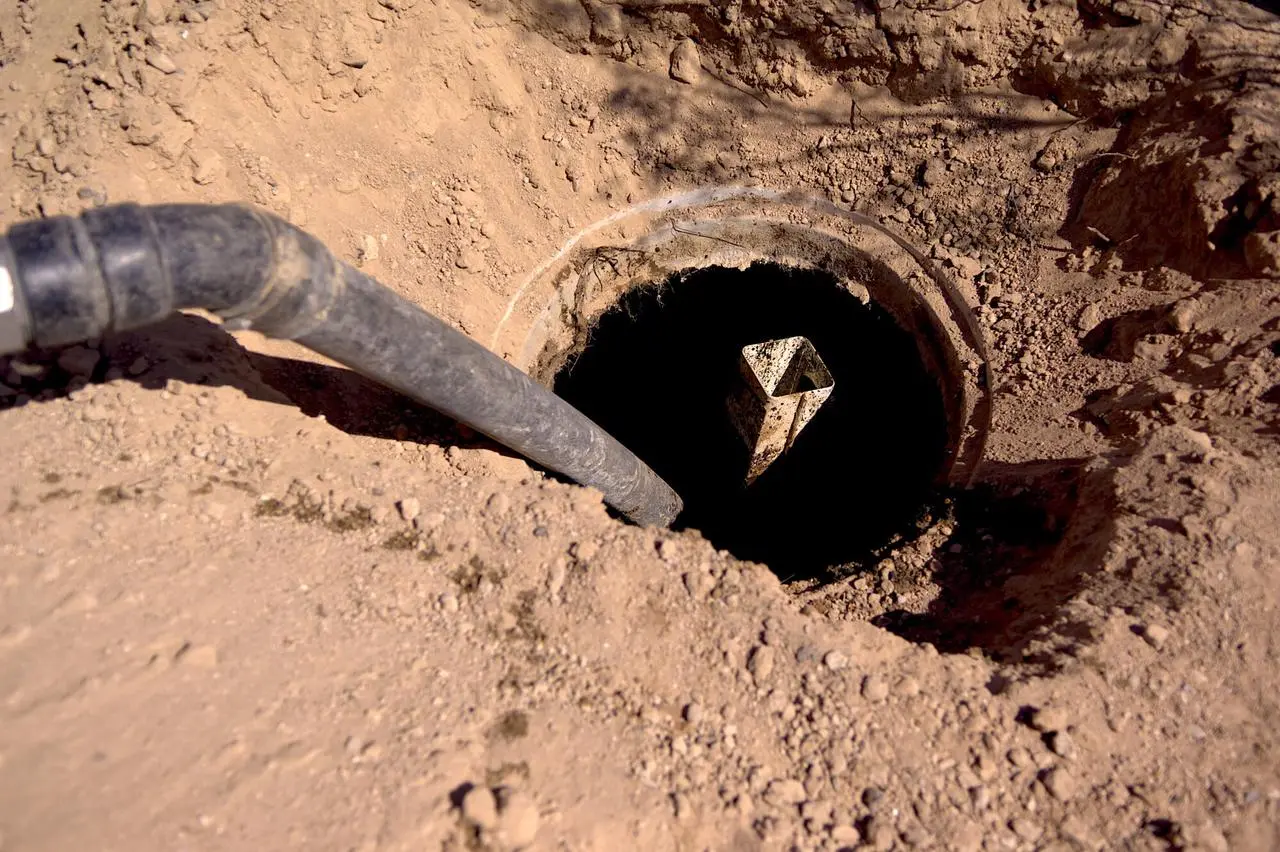
Septic tanks store and treat wastewater. Over time, solids settle at the bottom, and liquids flow to the drain field. If the tank becomes full and is not pumped regularly, it can overflow. Overflowing tanks can cause raw sewage to back up into your home or yard.
Prevention
Schedule routine septic tank pumping every three to five years, depending on the size of your tank and household use. Regular pumping removes solids before they cause problems. Monitoring your tank can help you spot early signs of overflow.
Drain Field Failures
The drain field is where treated wastewater is released into the soil. Problems occur when the soil becomes saturated or blocked. This can happen if the drain field is compacted, flooded, or exposed to heavy machinery. Roots from trees and shrubs can also grow into pipes, causing damage.
Prevention
Protect your drain field by keeping heavy vehicles and machinery off the area. Plant grass instead of large trees nearby. Avoid overloading the system with too much water at once, as this can cause soil saturation. Proper maintenance can keep septic systems running smooth.
Foul Odors
A bad smell around your septic system is not just unpleasant; it signals a problem. Foul odors can happen when the system is not vented properly or when solids accumulate in the tank. It can also result from leaks in pipes or the tank itself.
Prevention
Keep vents clear of debris, and have a professional inspect your system if you notice any unusual smells. Routine pumping and maintenance can prevent the buildup of solids that lead to odors.
Slow Drains
Slow drains in sinks, showers, and toilets are a warning sign of septic issues. Slow drainage can be caused by clogs, a full tank, or a failing drain field. Ignoring slow drains can lead to more serious problems, including backups and overflows.
Prevention
Address slow drains early. Use drain screens to catch hair and food particles. Avoid harsh chemical drain cleaners, as they can harm the bacteria in your septic tank. Regular inspections can help catch problems before they get worse.
Explore these Septic System Issues
Septic systems are vital for home sanitation, but they need proper care to function well. Clogs, tank overflows, drain field failures, foul odors, and slow drains are common problems that can usually be prevented.
By monitoring usage, protecting the drain field, and scheduling regular maintenance, homeowners can avoid costly repairs and keep their septic systems healthy for years. Proper care not only prevents issues but also ensures your home stays safe and clean.
If you’d like to learn more, check out more articles on our blog.
Also Read–Experience Modern Luxury Living with Elegant Home Designs