Key Takeaways
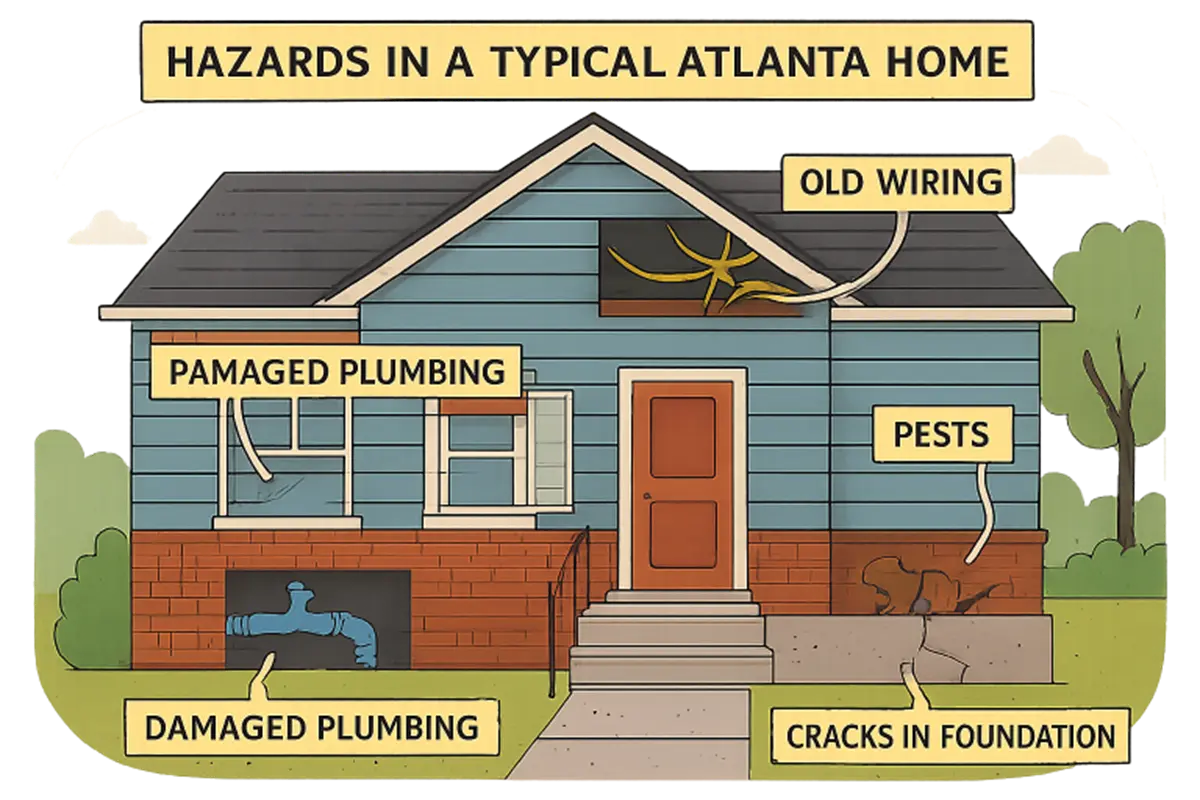
- Many hidden hazards, including structural, electrical, plumbing, and environmental risks, continue to affect Atlanta properties.
- Regular inspections and professional assessments are essential for both safety and long-term preservation of property value.
- Awareness of local ordinances, contamination sources, and climate-specific risks empowers property owners and tenants to take proactive protective actions.
Table of Contents
- Structural Deterioration
- Electrical System Failures
- Plumbing and Water Intrusion
- Pest Infestations
- Lead Contamination
- Sinkholes and Soil Instability
- Fire Hazards
- Conclusion
Atlanta’s vibrant neighborhoods and beautiful architecture conceal more than curb appeal. Beneath the surface, countless hidden hazards can put both property owners and residents at risk. Many hazards, like decaying infrastructure or environmental contamination, remain out of sight until they threaten safety or lead to unexpected expenses. Understanding these dangers is crucial to keeping properties safe and ensuring that anyone harmed on dangerous premises is aware of their options with premises liability attorneys if the worst occurs.
Atlanta’s mix of old and new construction creates unique risks not always found in other growing cities. Whether owning, renting, or managing property, being aware of these concerns can mean the difference between prompt prevention and costly repairs or tragic accidents. Proactively addressing potential dangers is one of the most critical responsibilities for maintaining safe homes and investments.
For more information on the health impacts of environmental hazards, see coverage from The Centers for Disease Control and Prevention (CDC) on lead exposure.
Structural Deterioration
Structures across Atlanta, especially older homes and businesses, often suffer from hidden deterioration. This can include everything from cracked foundations and rotting supports to weakened load-bearing walls. Over time, subtle warning signs may become evident, such as sticking doors or windows, cracks in drywall, or floors that feel uneven. Regular inspections provide the best protection against unexpected failures that can lead to costly, disruptive repairs or injuries.
Electrical System Failures
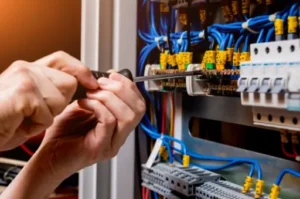
Many Atlanta residences were constructed before modern electrical codes and may still use outdated wiring or insufficient breaker panels. Hazards such as open junction boxes, overloaded circuits, and inadequate GFCI protection can significantly increase fire and shock risks. Homeowners should consider inspections and upgrades by licensed professionals to ensure compliance with current safety standards. Neglecting electrical safety can have life-threatening consequences and dramatically affect property value.
Plumbing and Water Intrusion
Plumbing leaks rarely announce themselves until significant water damage has occurred. Moisture from pipes hidden behind walls or under floors fosters mold growth, wood rot, and eventual structural weaknesses. In multi-story units, water intrusion can quickly spread damage to other residents. Early detection, frequent plumbing checks, and swift repairs are critical for preventing both health hazards and large-scale repairs stemming from water issues.
Pest Infestations
Atlanta’s climate supports numerous pests, including termites, ants, roaches, and rodents. Evidence of these invaders often includes droppings, gnawed wires, hollow-sounding wood, or smears along baseboards. Termites alone can silently compromise foundations and support beams, sometimes undetected for years. Comprehensive pest prevention involves regular inspections, sealing potential access points, and professional pest control services. Property owners and tenants alike benefit from maintaining a clean, sealed environment that reduces a property’s appeal to pests.
Lead Contamination
Recent discoveries highlight that lead contamination, often the result of historic building materials or industrial byproducts, can affect even Atlanta’s more affluent neighborhoods. Lead is highly toxic to children and can cause permanent developmental, cognitive, and physical health problems. Testing should target both soil and water sources, especially in older communities or properties with a history of industrial use. Remediation can involve soil replacement, water filtration, or coordinated efforts with public health authorities to ensure safe living environments.
Sinkholes and Soil Instability
The city’s aging water and sewer infrastructure, combined with its clay-rich soil, make sections of Atlanta especially vulnerable to sinkholes and ground subsidence. Factors like leaking pipes, heavy rainfall, or gradual soil erosion can cause dramatic ground shifts. Early indicators include new cracks in driveways, foundations, or sidewalks, and doors that no longer close properly. Addressing these issues promptly through professional assessment and city reporting is essential to prevent property loss and potential injuries. For more on sinkhole risk in Georgia, see recent coverage by The Atlanta Journal-Constitution.
Fire Hazards
Fire can start from a wide range of overlooked sources, including overloaded electrical outlets, dusty dryer vents, and improper storage of flammable chemicals. Homes and buildings that have not been updated to today’s codes may lack sufficient smoke alarms, fire breaks, or fire extinguishers. Multi-unit buildings, such as condos and townhomes, require particular vigilance to ensure shared spaces do not serve as channels for fire spread. Local ordinances, such as Mableton’s Safe and Healthy Housing Ordinance, reflect the importance of eliminating known hazards, such as mold, unsafe utilities, or unchecked infestations, that can contribute to fire risk or hinder evacuation. For more details, see the official announcement of the ordinance on the City of Mableton’s website.
Conclusion
Atlanta’s real estate landscape is rich, but property buyers and renters should remember that beauty can mask significant hazards. Staying ahead of risks demands a combination of professional inspections, owner vigilance, and adherence to local safety standards. By remaining proactive, property owners protect both their investments and the safety of everyone on their premises. Awareness is the crucial first step; action is what transforms it into lasting protection.
Also Read-Advanced Energy Systems: Exploring Modern Power Technology Solutions