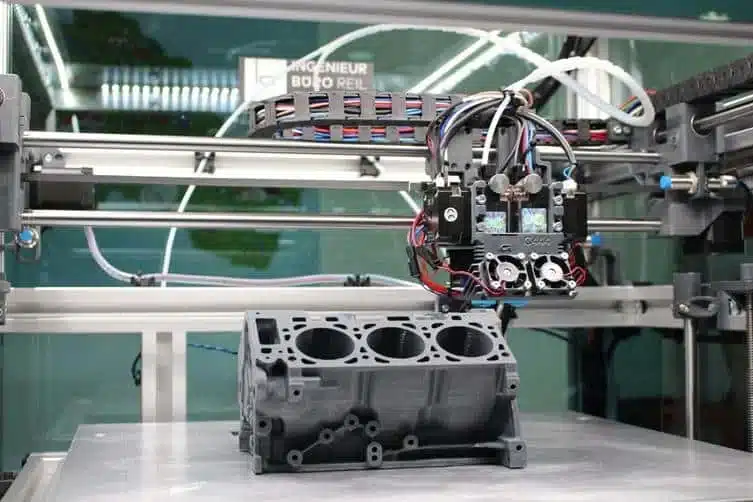
Selecting the right 3D printing material is one of the most important steps in any project. The material you choose affects strength, flexibility, durability, appearance, and cost. Each material behaves differently during printing.
Some are easy to use. Some need more skill. Some work well for simple prototypes, while others support demanding engineering tasks. Understanding the key features of each option helps you choose the best match for your design.
With clear knowledge, you can avoid printing problems and create parts that meet your expectations.
Understanding the Role of Material Properties
Every 3D printing material has its own set of properties. These include strength, rigidity, heat resistance, flexibility, and surface finish. When you compare materials, start by thinking about the purpose of your object.
A decorative figure needs different properties than a working hinge. A food-safe container needs different features than a high-temperature bracket. Testing materials is helpful, but learning the basics saves time and reduces mistakes.
You should also consider ease of printing. Some materials flow smoothly and do not warp. Others require exact temperatures and careful settings. If you are new to 3D printing, start with beginner-friendly options.
As you gain experience, you can explore more advanced materials with special performance benefits. Many hobbyists find helpful explanations and sample prints through community guides, including groups like 3D Print Geek, which share simple comparisons and user feedback.
PLA
PLA (Polylactic Acid) is one of the most popular 3D printing materials. It is made from renewable resources such as corn starch or sugarcane. PLA is known for easy printing. It melts at moderate temperatures. It does not warp much. It does not need a heated chamber. These qualities make it great for beginners and everyday prints.
PLA offers a smooth surface finish. It also comes in many colors. It is perfect for display models, low-stress prototypes, toys, and decorative items. It does not handle high heat well. It can soften in a warm car or sunny window. PLA is also brittle compared to other materials. It is not the best choice for functional parts that must bend or take heavy impacts.
ABS
ABS (Acrylonitrile Butadiene Styrene) is a stronger and more heat-resistant option than PLA. It is tough and can handle daily use. Many consumer products, including phone cases and plastic tools, are made from ABS. It can survive hot environments without softening. These features make it ideal for functional parts.
Printing ABS is more challenging. It needs higher temperatures. It also tends to warp if the printer is exposed to drafts. Many users print ABS inside an enclosure. This keeps heat stable and reduces cracking. ABS also releases fumes during printing. Good ventilation is important.
Even with these challenges, ABS is useful when you need durable, long-lasting parts. It can be sanded, drilled, and painted. It bonds well with glue. If you want functional prototypes or mechanical components, ABS is a strong option.
PETG
PETG (Polyethylene Terephthalate Glycol) is known for its balanced properties. It combines the ease of PLA with some of the durability of ABS. PETG is tough and slightly flexible. It resists impact and has good chemical resistance. It does not absorb moisture easily and is food-safe in many formulations.
PETG prints at moderate temperatures. It sticks well to the print bed and does not warp much. However, it can produce stringing if settings are not tuned correctly. With a bit of adjustment, PETG becomes one of the most reliable materials.
Many users choose PETG for outdoor parts. It handles sunlight better than PLA. It also survives repeated bending without cracking. PETG works well for mechanical pieces, household items, containers, and protective covers. It is a good middle-ground material when you need strength without the printing challenges of ABS.
TPU
TPU (Thermoplastic Polyurethane) is a flexible material used for parts that need to bend, stretch, or absorb shock. It has a rubber-like feel. It is perfect for gaskets, phone cases, vibration dampeners, and wearable items. TPU resists abrasion well. It performs better than most plastics when exposed to repeated stress.
Printing TPU calls for patience. The material is soft. It can jam in certain extruders. Direct-drive printers work best because they grip the filament more accurately. Slow printing speeds help reduce errors. Once you get the settings right, TPU produces strong and flexible prints that last a long time.
Nylon
Nylon is one of the strongest 3D printing materials available for consumer printers. It offers high durability and excellent wear resistance. It can handle stress, bending, and repeated movement. Nylon is used for gears, hinges, and industrial components. It absorbs impacts well without cracking.
The main challenge with nylon is moisture. The filament absorbs water from the air very quickly. This can cause poor layer adhesion and bubbles in the print. To get the best results, you must dry nylon before printing. A dry box helps keep moisture out.
Printing nylon requires higher temperatures and a stable environment. Still, it produces strong and reliable parts that outperform many other materials. If you need strength and long-term durability, nylon is one of the best choices.
Matching Material to Project Needs
Choosing the right material starts with defining the purpose of your print. Ask yourself a few questions. Will the part face heat or stress? Should it bend or stay rigid? Does it need to look smooth? Will it be used indoors or outdoors? What printing equipment do you have?
For simple models, decorative items, and prototypes, PLA works well. For durable parts or items exposed to sunlight or heat, PETG or ABS is better. For components that need flexibility, choose TPU. If you need high-strength engineering parts, nylon is ideal.
Choose the Right 3D Printing Material
3D printing offers many material options, and each one has unique strengths and limitations. Understanding and comparing their properties helps you make smart choices. When you match the right material to your project, your prints become more reliable, more durable, and more useful.
With practice, you will learn which materials fit your style and equipment. Good planning leads to better results and a more enjoyable 3D printing experience.
Visit our blog for more!
Read more: Beyond the Bite: How Dog Attacks Trigger Long-Term Trauma
How Personal DNA Insights Can Transform Your Fitness Routine
A Complete Guide to Furniture Removal Services