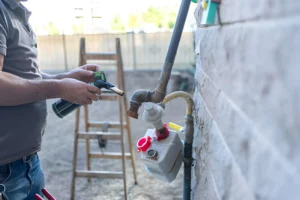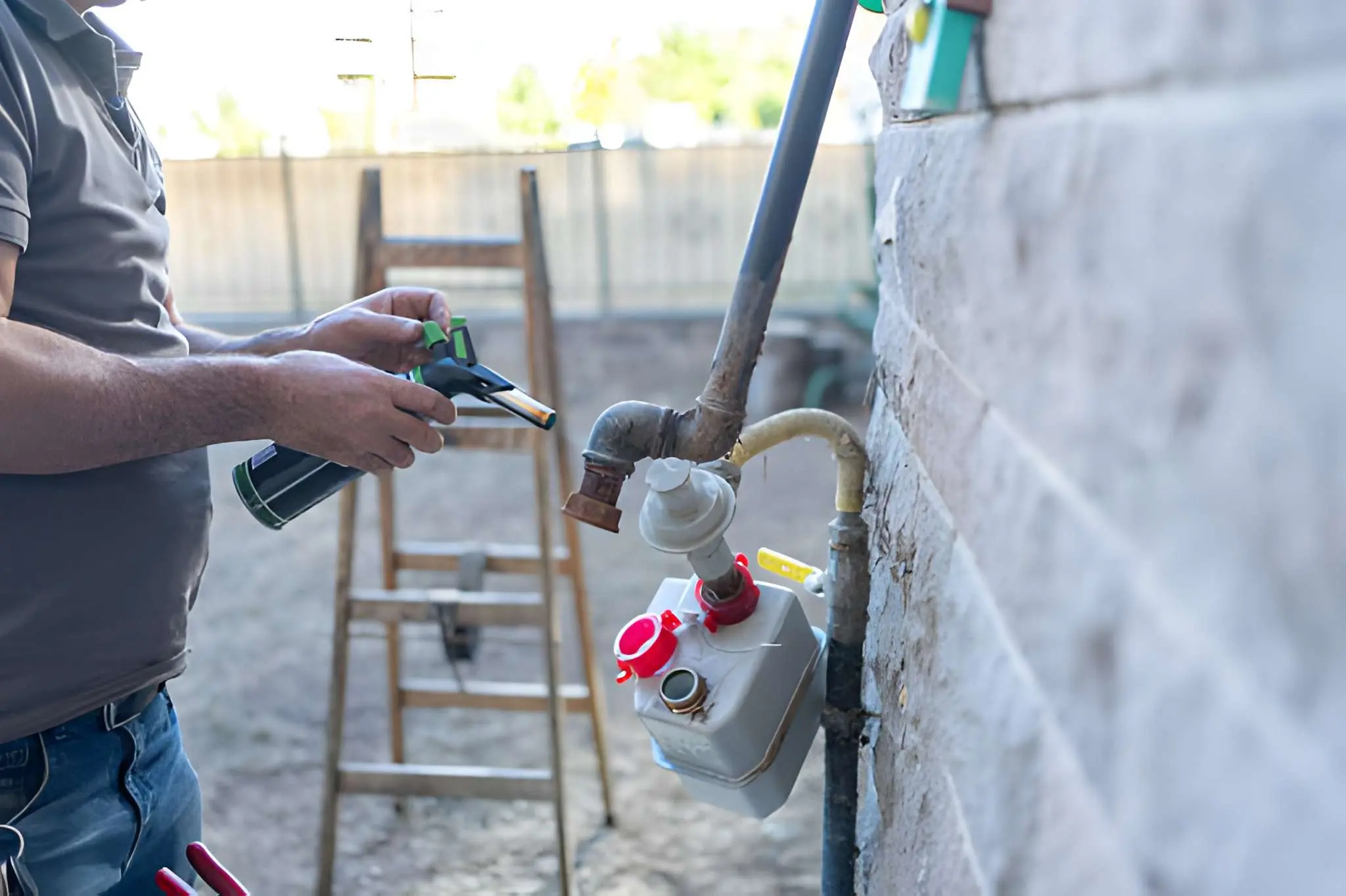
Hiring someone to carry out gas work without proper licensing can seem like an easy way to save money. The quote is lower, the task appears straightforward, and urgency can make shortcuts feel justified. However, unlicensed gas work is one of the most serious risks a homeowner can take. Beyond immediate safety concerns, it can directly affect whether your home insurance will protect you if something goes wrong.
Gas systems are tightly regulated because even minor installation errors can lead to fires, explosions, carbon monoxide exposure, or long-term structural damage. Insurance companies are fully aware of these risks, which is why unlicensed gas work is treated far more seriously than many other home maintenance issues.
Why Insurers Take Unlicensed Gas Work Seriously
Home insurance policies are based on one fundamental assumption: all permanent building work complies with local laws and safety standards. Gas fitting is classified as high-risk trade work, meaning insurers expect it to be performed only by properly qualified professionals.
When gas work is carried out without the required licence, insurers may classify any resulting damage as preventable negligence rather than an unforeseen accident. This distinction is critical. Accidental damage is usually covered, while damage linked to illegal or non-compliant work often is not.
If a gas-related incident occurs, insurers will typically investigate the cause before approving a claim. If they find that the system was installed, modified, or repaired by someone without the appropriate credentials, the claim may be delayed, reduced, or denied entirely.
How Insurance Investigations Uncover Unlicensed Work
Many homeowners assume unlicensed gas work will go unnoticed. In reality, insurers frequently uncover these issues during routine investigations. After fires, explosions, or suspected gas leaks, assessors often request compliance certificates, invoices, and licensing details for the gas installation.
Even when the incident appears unrelated, insurers may still review the broader system. For example, a fire caused by an electrical fault may still prompt inspection of nearby gas appliances or pipework. If unlicensed work is discovered anywhere in the system, it can complicate or invalidate the claim.
In some cases, issues only surface months or years later during major claims or legal disputes. By that stage, the financial consequences can be substantial.
Common Situations Where Problems Are Discovered
Unlicensed gas work often comes to light at moments when homeowners least expect scrutiny. Insurance claims are the most obvious trigger, but they are not the only one.
Building inspections during renovations or extensions frequently uncover non-compliant gas installations. Property sales are another common point of discovery, with buyers, inspectors, or conveyancers requesting evidence of compliant gas work. Missing or invalid documentation can delay settlement, reduce property value, or force costly rectification.
Even routine servicing can expose issues. A qualified tradesperson is legally required to report unsafe or non-compliant installations, which can create a record that insurers later access.
Legal and Financial Risks Beyond Insurance
Voided insurance is only part of the risk. Homeowners may also face legal liability if unlicensed gas work leads to injury or property damage. Tenants, visitors, or neighbours affected by a gas incident may pursue compensation, leaving the homeowner personally exposed.
Fines and penalties can apply if gas safety regulations are breached. In serious cases involving injury or death, legal consequences can escalate quickly.
Rectification costs also add up. Insurers may require all non-compliant gas work to be removed and reinstalled by a licensed professional before offering future coverage. This often costs far more than hiring a qualified tradesperson initially.
The Importance of Licensed Gas Professionals
A licensed gas fitter does far more than connect appliances. They understand gas pressure requirements, ventilation rules, safety testing procedures, and local regulatory standards. Their work must comply with strict codes designed to protect occupants and property.
For homeowners in South Australia, engaging a gas fitter Adelaide residents can rely on ensures work is carried out legally and documented correctly. Licensed professionals issue compliance certificates that prove the work meets required standards. These documents are often critical when insurance claims are assessed.
Licensed trades also carry their own insurance, providing an additional layer of protection if faults occur.
Why “It’s Just a Small Job” Is a Risky Mindset
Homeowners often justify unlicensed work for tasks they consider minor, such as replacing a cooktop, moving a heater, or altering pipework slightly. Unfortunately, gas systems do not distinguish between small and large mistakes.
Minor leaks can worsen over time. Incorrect pressure settings may damage appliances silently. Poor ventilation can lead to carbon monoxide exposure without obvious warning signs. When problems eventually surface, insurers focus on compliance, not job size.
From an insurance perspective, whether the work was small or large is irrelevant. What matters is whether it was legal and certified.
How to Protect Yourself as a Homeowner
Protecting your insurance coverage starts with verification. Always confirm that anyone performing gas work holds the correct licence specifically for gas fitting, not just general plumbing.
Request written quotes, invoices, and compliance certificates, and store them with your property records. If previous gas work lacks documentation, consider having it inspected and certified by a licensed professional before issues arise.
If you ever suspect a gas issue or need urgent assistance, contacting an emergency plumber ensures the problem is handled safely and in line with regulations.
Conclusion
Unlicensed gas work is not only a serious safety hazard but also a significant insurance risk. When compliance is missing, homeowners can be left financially exposed at the worst possible time.
Using licensed professionals ensures gas installations meet legal standards, protects occupants, and preserves insurance coverage. When it comes to gas work, saving money upfront can cost far more later. Compliance is not optional; it is essential.
FAQs
Can my insurer deny a claim due to unlicensed gas work?
Yes. Claims may be reduced or denied if damage is linked to non-compliant or illegal gas installations.
What if a previous owner did the unlicensed work?
You may still be affected unless the installation is inspected and certified after purchase.
Can an unlicensed gas work delay a home sale?
Yes. Missing compliance certificates can delay or derail property transactions.
Is certification required for small gas jobs?
Yes. Most gas work requires licensed installation and formal certification.
Also Read
- Future Trends in Emergency Vehicle Technology
- The Evolution of Payment Solutions in Business Transactions
- Top Data Science Tools Powering Modern Fintech Solutions