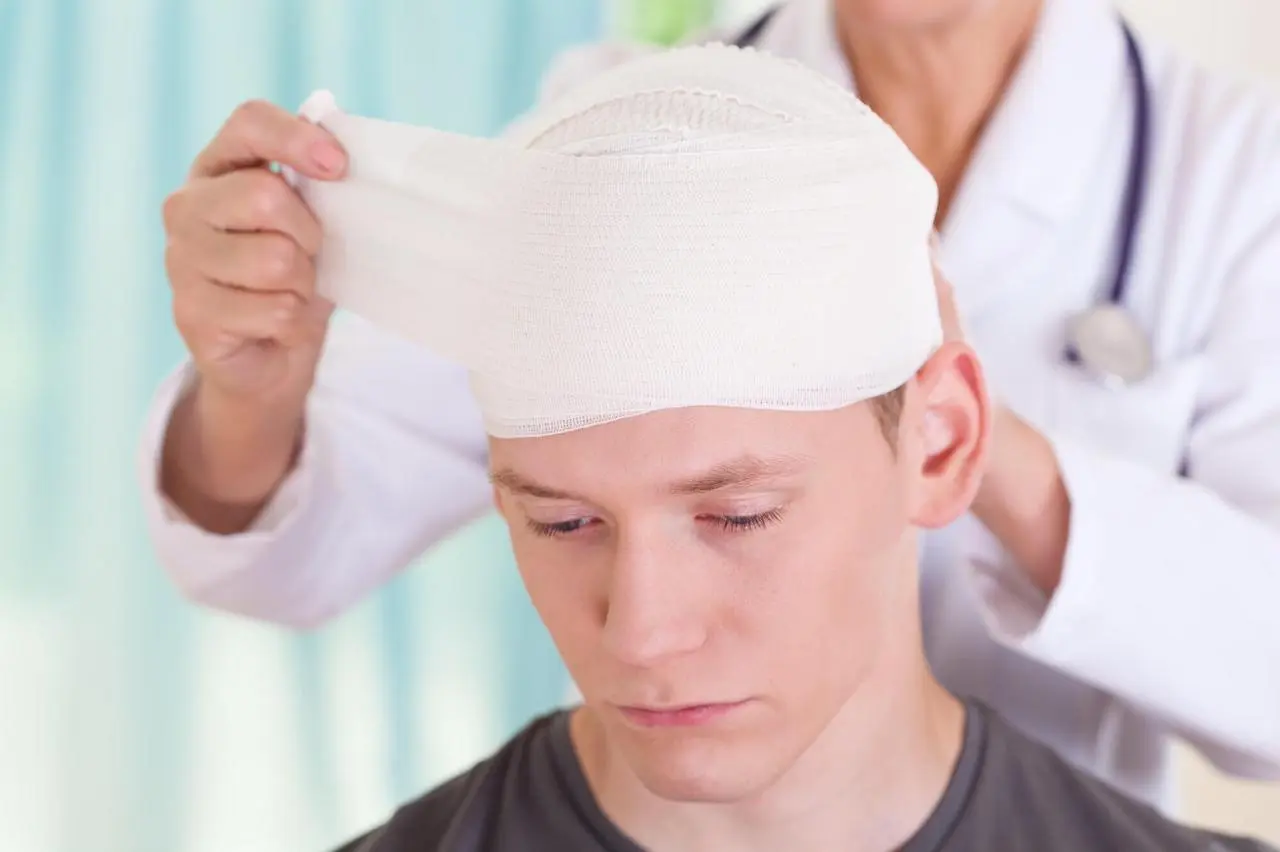
Explore our complete guide to traumatic brain injuries, including causes, symptoms, treatments, and recovery tips for better brain health today.
Have you ever wondered what happens after a serious head injury? Traumatic brain injuries can affect the brain in many ways. They may change how a person thinks, feels, or moves.
Understanding these injuries is important for proper care and recovery. This guide explains causes, symptoms, and treatment options. Learn how to recognize and respond to traumatic brain injuries today. Read on to get the full picture and protect yourself or loved ones.
What is TBI?
A traumatic brain injury happens when the brain is damaged by a strong impact. It can occur from falls, car accidents, or sports injuries. The brain may swell or bleed after an injury. Even a mild hit can cause a concussion. Severe injuries can change how a person thinks or moves.
Some people lose memory or have trouble speaking. Symptoms can appear right away or develop later. Medical care is important to prevent more damage. Doctors use tests to see the injury’s severity. Early treatment helps improve recovery and reduce complications.
TBI Causes
Traumatic brain injuries can happen from car accidents. Falls are a common cause, especially for older adults. Sports injuries can lead to concussions and other brain damage. Workplace accidents may also cause head injuries. Physical assaults can result in traumatic brain injuries. Being struck by objects can damage the brain.
Explosions or blasts can harm the brain in soldiers or workers. Repeated hits to the head increase the risk of injury. Poor safety measures, like no helmets, can make injuries worse. Understanding the causes helps prevent many traumatic brain injuries.
Key Symptoms
People with traumatic brain injuries may feel dizzy or lose balance. Headaches are common after a brain injury. Some experience confusion or memory problems. Difficulty concentrating can appear soon after the injury. Mood changes, like anger or sadness, are possible.
Trouble speaking or understanding words can happen. Vision or hearing problems may develop. Fatigue and sleep issues are frequent signs. Nausea or vomiting can occur in severe cases. Recognizing symptoms early is important for proper treatment and recovery.
Treatment Options
Treatment for traumatic brain injuries depends on the injury’s severity. Mild injuries may only need rest and monitoring. Doctors can prescribe medication for pain or swelling. Physical therapy helps with movement and strength. Occupational therapy teaches daily skills after injury.
Speech therapy helps with talking and understanding. Surgery may be needed for severe injuries. Follow-up care is important for recovery. Regular check-ups help track progress and prevent complications. Early treatment improves outcomes and supports better healing.
Recovery Tips
Recovery from a brain injury takes time and patience. Rest is important to help the brain heal. Following a doctor’s instructions speeds up recovery. Physical activity should be gradual and safe. Therapy can improve movement, speech, and daily skills. Healthy nutrition supports brain healing.
Avoiding alcohol and drugs helps recovery. Support from family and friends is important for mental health. Understanding the types of traumatic brain injury helps set realistic recovery goals. Regular check-ups ensure progress and prevent setbacks.
Learn More About Traumatic Brain Injuries
Brain injuries can affect thinking, movement, and emotions. They happen from accidents, falls, or sports.
Early treatment helps prevent more damage. Recovery takes time, care, and support. Understanding symptoms and causes keeps people safer.
Looking for more tips and ideas? We’ve got you covered. Check out some of our other posts now.
Also Read-Navigating Health Awareness for Seniors: Key Strategies